Kamario Taylor's $7.5 Million NIL Deal Highlights Football's Financial Surge
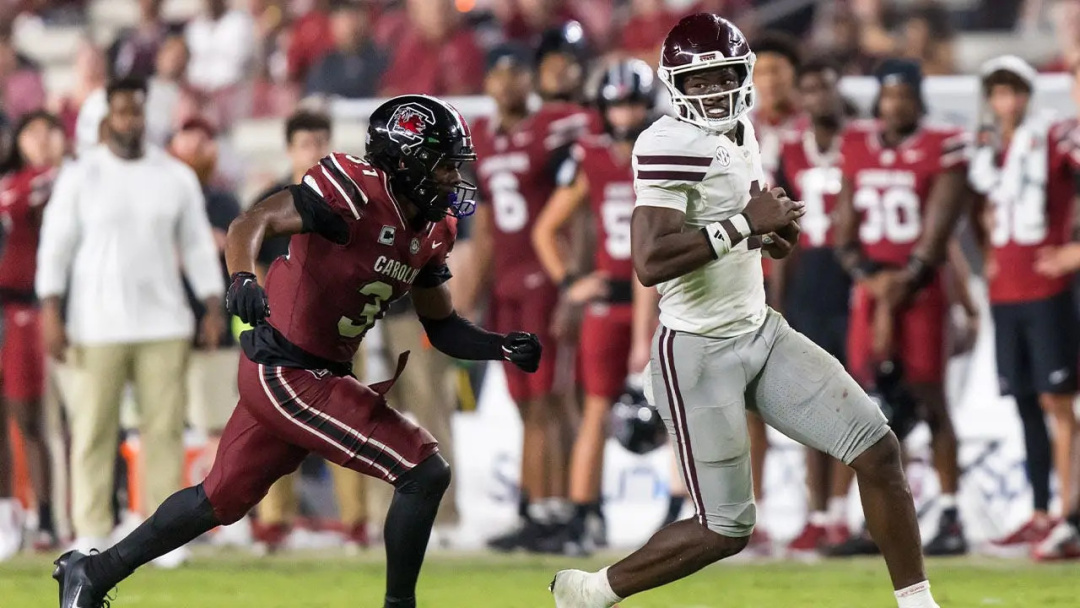
The financial landscape for college football quarterbacks is rapidly changing, with Mississippi State's Kamario Taylor recently securing a reported $7.5 million NIL deal. This development signals a significant shift in how college athletes are compensated, particularly in high-profile positions like quarterback. Reports suggest that Taylor's deal could exceed $9 million with performance incentives, reflecting the increasing competition for top talent in the sport.
As the market for quarterbacks continues to inflate, the implications for college football are profound. The SEC is reportedly considering implementing a salary cap or luxury tax to manage the escalating costs associated with recruiting and retaining star players. This potential move highlights the growing recognition that the current system may not be sustainable in the long run.
Market Reading & Resources
Sponsor funding complete. Trade on.
Taylor's situation is not isolated; it mirrors trends seen in the NFL, where quarterbacks with limited experience have commanded hefty contracts based on their potential. The case of Texas Tech's Brendan Sorsby, who received a substantial deal after a promising season, illustrates the risks involved in such investments. Similarly, Tennessee's Nico Iamaleava was offered a lucrative contract out of high school, only to transfer shortly thereafter, raising concerns about the effectiveness of these financial commitments.
Shifting Dynamics in Player Compensation
The increasing financial stakes in college football are prompting discussions about the future of the sport. Coaches and programs are under pressure to secure funding to remain competitive, with some suggesting that a collective bargaining approach may be necessary to address the disparities in player compensation. As the sport generates significant revenue, the balance of power is shifting toward the players, who now have more leverage than ever.
The Future of College Football Contracts
The question remains whether the current trajectory is sustainable. With rising costs and the potential for bidding wars over top recruits, the landscape of college football could see dramatic changes in the coming years. As programs adapt to these new financial realities, the need for regulatory measures may become more pressing, ensuring that the sport can thrive without compromising its integrity.
As the market continues to evolve, the implications for college football contracts are significant. The trend of escalating salaries for quarterbacks raises questions about equity and fairness within college athletics. Programs must navigate these challenges carefully to maintain competitive rosters while ensuring that financial commitments do not jeopardize their long-term viability. The ongoing discussions about salary caps and collective bargaining will likely shape the future of college football, as stakeholders seek to balance the interests of players, programs, and fans alike.