Bitcoin Surpasses $70K and Gold Rises After Cooler PPI Report
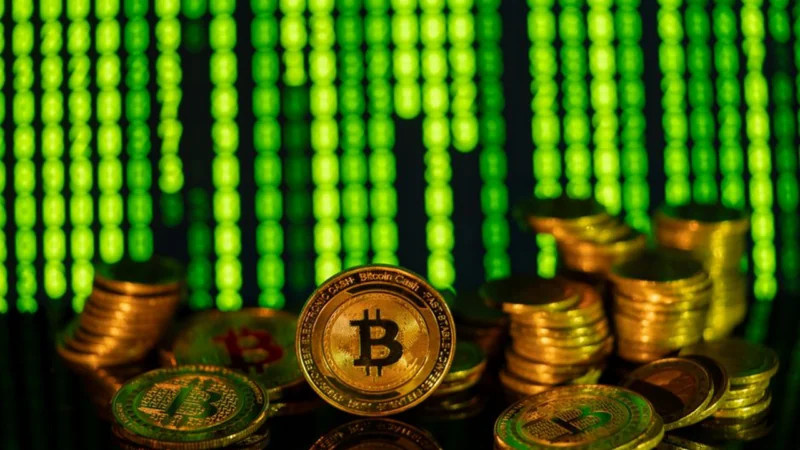
Bitcoin climbed back above $70,000 on November 13, 2026, following the release of a producer inflation report that was slightly cooler than Wall Street's expectations. Gold also saw gains, trading above $3,900 per ounce. The increases were modest, with Bitcoin rising approximately 1-1.35% and gold adding around 0.6-1%. In a week marked by rising inflation data, even a small miss in the PPI figures was enough to shift market sentiment positively.
The US Bureau of Labor Statistics reported that the headline producer price index for October increased by 0.3% month over month, while forecasts had anticipated a rise of 0.4%. On an annual basis, producer prices rose 6.5%, just below the expected 6.6%. Core PPI, which excludes volatile categories, matched forecasts, rising 0.3% for the month and 5.0% year-over-year.
Market Reading & Resources
Sponsor funding complete. Trade on.
Although the PPI beat was narrow, it provided a counterbalance to a recent consumer price index report that had shown stronger inflation. The October CPI rose 0.4% month over month, exceeding the 0.3% that analysts had predicted. This hotter consumer reading had previously weighed on Bitcoin prices earlier in the week, but the producer data helped ease concerns about the Federal Reserve needing to adopt a more aggressive stance at its December meeting.
Market Expectations Shift Following PPI Release
Following the PPI release, the likelihood of a larger 50 basis-point rate hike in December diminished, with a 25 basis-point increase remaining the market's expectation. The annual increase in producer prices at 6.5% is the highest level seen in nearly four years, although the October figures indicate a slowdown from the previous month's sharper rise.
Bitcoin and Gold Reflect Market Sentiment Amid Inflation Concerns
Bitcoin's rise above $70,000 marks its first return to that threshold in recent trading sessions, while gold's performance suggests sustained demand for the metal as a hedge against inflation. With producer inflation at its highest annual pace in almost four years, the demand for gold is understandable.
The softer PPI data suggests a potentially more dovish outlook for Federal Reserve policy in the near term. While a 25 basis-point hike is still anticipated, the annual producer inflation rate of 6.5% leaves little room for policymakers to relax their stance. Although one month of data is insufficient to draw definitive conclusions, the cooling in producer prices could hint at some easing in inflation pressures ahead.