Warsh: Inflation is a Choice, Not an Accident, Shaping Market Reactions
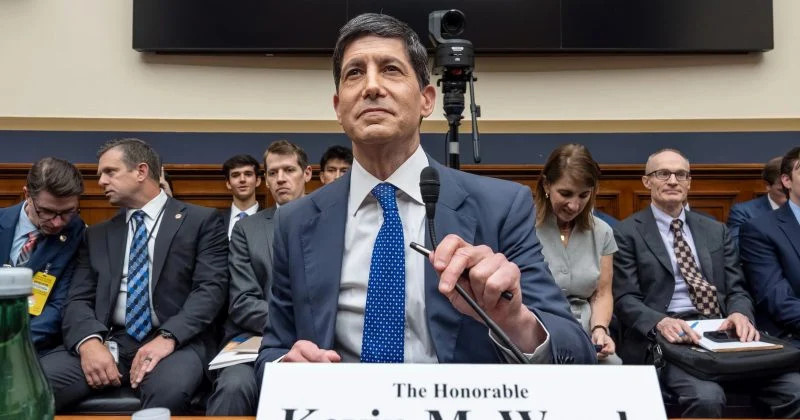
Kevin Warsh, who took over as Federal Reserve Chair on May 22, 2026, has made a significant impact with his assertion that inflation is a choice rather than an accident. This statement, made during a June 2026 FOMC press conference, has resonated in financial markets, particularly as U.S. inflation reached 4.2%, the highest in three years. Warsh's perspective suggests that prolonged inflation results from a failure of policymakers to act decisively, framing the previous administration's handling of inflation as a poor choice.
At the Sintra Forum in July 2026, Warsh reiterated the Fed's commitment to a 2% inflation target while indicating that inflation risks seemed to be declining. His comments have been closely watched by traders, especially in the cryptocurrency market. Following his confirmation, Bitcoin's price fluctuated, initially trading around $74,000 before rebounding above $60,000 after his remarks about easing inflation risks.
Market Reading & Resources
Sponsor funding complete. Trade on.
Warsh's tenure is notable not only for his views on inflation but also for his personal investments in various crypto projects, making him one of the most crypto-aware Fed chairs to date. This background may influence how the Fed approaches regulation of digital assets, even though the Fed does not directly set crypto regulations. Observers are keen to see how Warsh's stance on inflation as a choice will affect the Fed's rate normalization process and its supervisory tone toward banks involved with cryptocurrencies in the coming quarters.
The implications of Warsh's philosophy extend to market positioning around Fed meetings and public statements. If he perceives inflation as a discretionary outcome, it could lead to a lower tolerance for above-target inflation compared to previous chairs. Consequently, any potential rate cuts may require substantial evidence of disinflation rather than merely a trend of softening inflation. As Warsh navigates these complex issues, the financial community remains attentive to how his leadership will shape monetary policy and regulatory frameworks in the evolving economic landscape.