Oil Price Volatility Continues to Drive U.S. Inflation Concerns
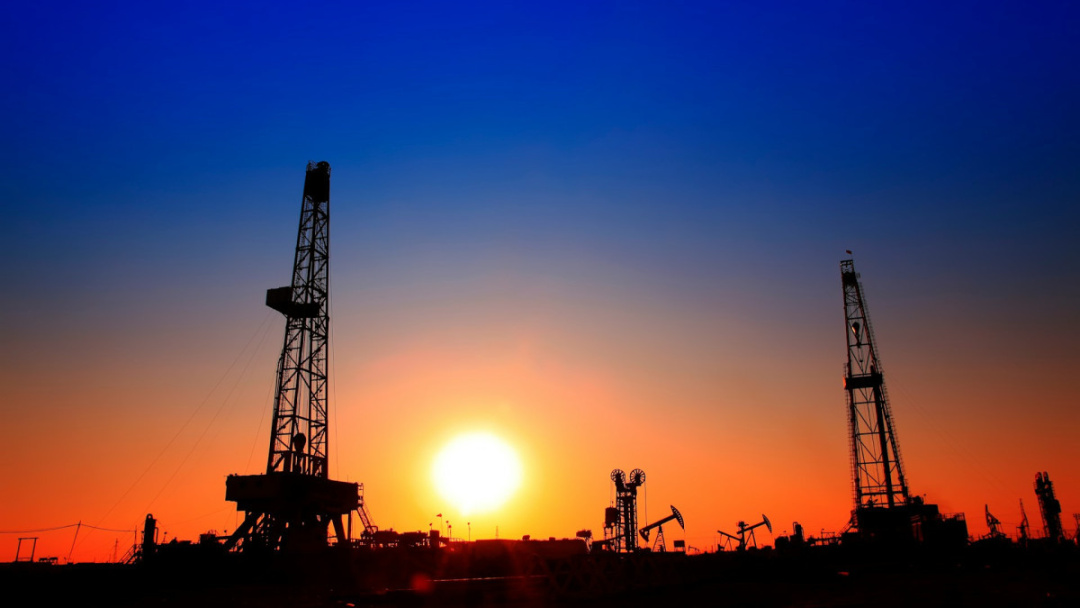
The ongoing conflict in Iran has intensified concerns over oil price volatility, which continues to significantly impact inflation in the United States. Recent reports indicate that inflation remains stubbornly high, largely due to soaring food and energy prices. The Consumer Price Index (CPI) has shown a four-tenths of a percent increase over the last month, with projections suggesting a four percent rise by the end of the year compared to 2025. This inflationary trend has been reflected in the recent midterm elections, where economic dissatisfaction played a crucial role in voter decisions.
Despite relatively strong job numbers, wages have not kept pace with rising costs, leaving many Americans feeling the pinch. Business Insider noted that the combination of international tensions and domestic economic pressures has effectively resulted in a pay cut for everyday consumers. The Federal Reserve Bank of Chicago's Austan Goolsbee expressed significant concern regarding the persistence of inflation, attributing some of the ongoing issues to the war in Iran and its impact on energy prices. He emphasized that while some inflationary pressures were expected to be temporary, they have proven to be more enduring than anticipated.
Market Reading & Resources
Sponsor funding complete. Trade on.
Goolsbee pointed out that the current economic landscape is characterized by a series of shocks, including those from oil prices and tariffs, which were initially thought to be transitory. However, the reality has shown that disruptions to the supply chain can have lasting effects. The demand for energy, particularly driven by the artificial intelligence boom, has further exacerbated the situation, pushing energy prices higher in regions experiencing rapid data center growth.
Navigating Economic Challenges Amid Oil Price Instability
The volatility of oil and gas prices poses a persistent challenge for the U.S. economy, as highlighted by Tim McDonnell, climate and energy editor for Semafor. He argues that while domestic drilling has increased supply control, it cannot fully protect consumers from global price fluctuations. The inherent instability of oil and gas markets remains a vulnerability that requires a strategic shift towards more sustainable energy sources.
As the U.S. navigates these economic challenges, the impact of oil and gas market volatility continues to influence political dynamics and economic stability. The term 'fossilflation' has been used to describe the significant effects that fossil fuel prices have on the economy, underscoring the need for a comprehensive approach to energy security that minimizes reliance on these volatile resources.