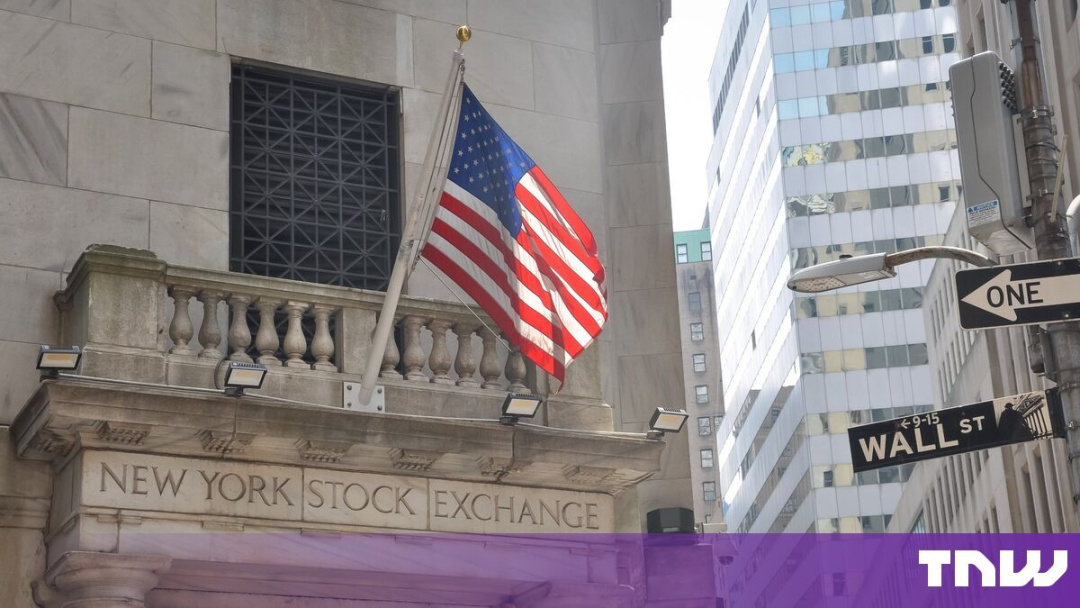
IMF Cautions on AI Stocks Amid Market Volatility

The International Monetary Fund (IMF) is closely monitoring the recent volatility in AI stocks but has not yet declared a definitive change in market sentiment. During a press briefing in Washington on November 12, IMF spokesperson Julie Kozack emphasized that it remains premature to conclude whether investor interest in artificial intelligence is waning for the long term. The IMF is also observing a political shift in the US that may hinder the construction of data centers, which are crucial for the AI industry's expansion.
Kozack's remarks reflect a cautious outlook. She noted that AI equity valuations are still susceptible to reassessments regarding the long-term profitability of the technology. The IMF is tracking two main pressures: the volatility of AI-linked shares and the political landscape in the US that could complicate the establishment of necessary data centers.
Market Reading & Resources
Sponsor funding complete. Trade on.
Democratic governors have reportedly pledged to reevaluate data center projects, which is significant for an industry reliant on substantial resources such as power, land, and permits. A slower approval process for these projects could have notable implications for AI companies.
The IMF's concerns are not new; they were highlighted in its October Global Financial Stability Report, which pointed out concentrated risks associated with high AI valuations and increasing debt levels among major tech firms. The report specifically addressed hyperscalers, the large cloud service providers that manage extensive data center networks. These companies accounted for 10% of global investment-grade bond issuance, a significant increase from less than 1% in 2024.
The IMF has modeled potential outcomes if the current spending trends on AI investments were to decline. Under its downside scenarios, a reduction in AI investment could lead to a global GDP contraction of up to 1.1% by 2028, with the US economy potentially shrinking by as much as 1.8%.
Market Concentration Raises Concerns for Investors
Another layer of concern is the concentration of stock market investments. The so-called Magnificent Seven tech stocks now represent over 35% of the S&P 500, a significant rise from 12% a decade ago. This concentration means that many portfolios, which may appear diversified, are heavily reliant on the same AI-driven growth narrative.
The IMF's position is particularly noteworthy for what it does not assert. It refrains from labeling the current situation as a bubble or declaring a market peak. Instead, it reiterates that the risks identified in October remain relevant, and the recent market fluctuations have not resolved the uncertainties surrounding AI stocks.
Navigating Risks in a Concentrated Market Landscape
For investors, this caution serves as a reminder about the risks associated with market concentration. With the Magnificent Seven dominating a significant portion of the S&P 500, many investment strategies may be more exposed to the same AI trends than they realize. Additionally, the credit market presents another potential pressure point, as the increase in AI-related bond issuance means that bond investors are also significantly exposed to the AI sector.
Energy prices represent another critical factor. The ongoing conflict in Iran continues to exert pressure on oil and energy markets, which in turn affects data center growth and inflation rates. The IMF's analysis underscores the interconnectedness of these various elements and the potential implications for the broader economy.