Nvidia's CEO Resignation Triggers Market Reactions in AI Stocks
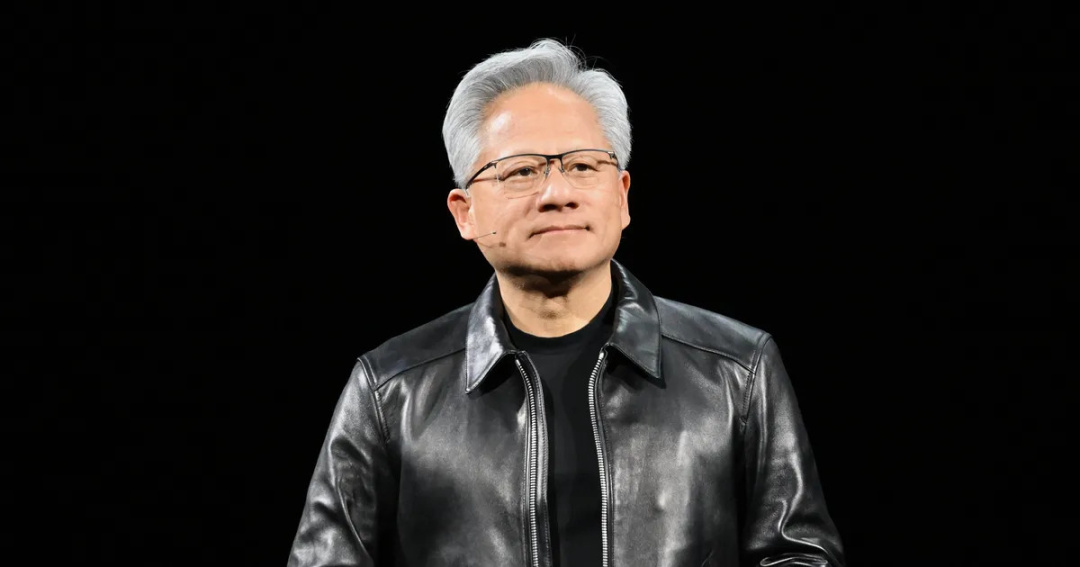
Global AI-linked stocks experienced volatility following the resignation of Nvidia CEO Jensen Huang. Investors are weighing the potential fallout on the tech sector, which is already grappling with funding and regulatory challenges. Colette Kress, Nvidia's Chief Financial Officer, has been appointed as interim CEO while the company searches for a permanent successor. Huang's departure comes amid allegations of extramarital affairs, marking a significant crisis for the chipmaker.
Nvidia's shares fell by 5.4% after initially dropping as much as 14.3% during the trading session. The company, a cornerstone of the AI ecosystem, has been under scrutiny for its funding strategies, which some analysts believe could hinder the sector's growth as the leadership transition unfolds. Nvidia's market value is projected to close below $4 trillion for the first time since July 2025, having lost over $1 trillion in value in the past month due to rising interest rates and regulatory concerns.
Market Reading & Resources
Sponsor funding complete. Trade on.
The market's reaction has been mixed, with Nvidia-backed firms like CoreWeave seeing an 8.1% decline, while other chip stocks showed varied performance. Daniela Hathorn, a senior market analyst, noted that the recovery in stock prices may be driven by bargain hunting, as some investors remain optimistic about Nvidia's competitive advantages and strong demand for AI technology.
Retail Investors Step Up Amid Leadership Uncertainty
Retail investors have also played a role in stabilizing Nvidia's stock, contributing a net purchase of $111 million in the first half-hour of trading, marking a record opening bid for the stock. However, the uncertainty surrounding Nvidia's leadership has raised questions about the future funding for smaller companies reliant on its financial support.
Market Impacts and Opportunities for Rivals in AI Sector
As the market digests these developments, other AI cloud companies, including Nebius and Super Micro Computer, have also faced declines. In contrast, competitors like Advanced Micro Devices and Broadcom have seen their shares rise, suggesting that Nvidia's turmoil may present opportunities for rival firms.
The broader tech market has also felt the impact, with tech-heavy indices in Japan and South Korea closing lower. The recent selloff in global tech shares has been exacerbated by fears of tighter regulations following the recent midterm elections in the U.S. As Nvidia prepares to report its quarterly earnings next week, analysts will be closely monitoring how these leadership changes affect its performance and the wider tech landscape.