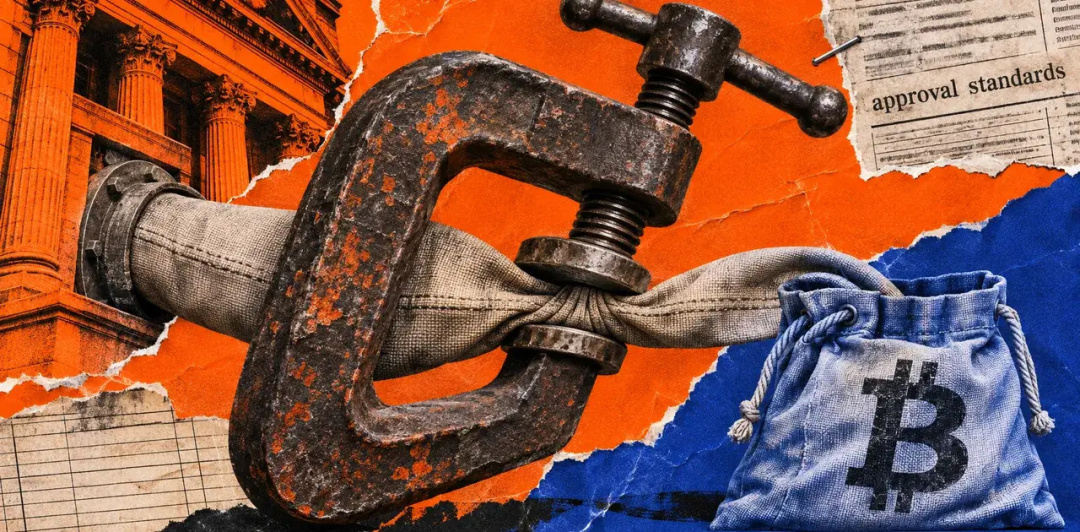
Warsh Opposes Federal Reserve Bailouts for Crypto and Other Sectors
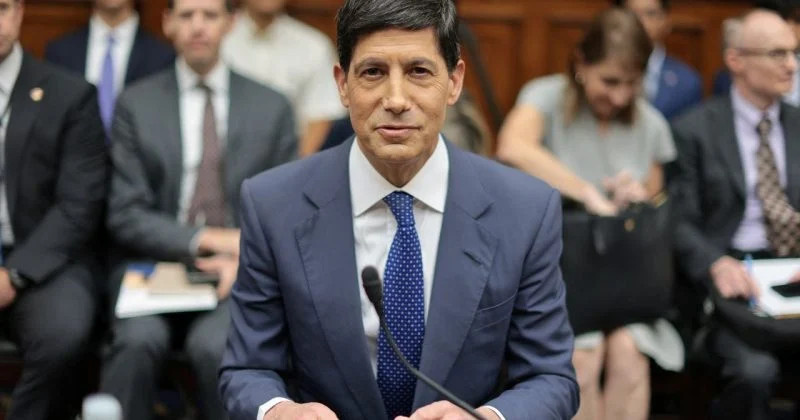
Kevin Warsh, the nominee to succeed Jerome Powell as Federal Reserve Chair, has made it clear that he opposes any bailouts for sectors, including cryptocurrency. Warsh, who has substantial personal investments in the crypto space, believes that the Federal Reserve should not intervene to rescue failing firms, a stance he has maintained since his tenure as a Federal Reserve Governor from 2006 to 2011. During that time, he argued against the bailout of Lehman Brothers, asserting that such actions would foster unrealistic expectations among Wall Street firms regarding protection from their own mistakes.
This philosophy extends to digital assets, with Warsh stating that the Fed should not be involved in rescuing any sector, including crypto. His financial disclosures reveal investments in over 30 crypto assets or related projects, with estimated holdings ranging from $131 million to $209 million. Warsh has referred to Bitcoin as an "important asset" and has compared it favorably to gold, emphasizing its potential as a sustainable store of value.
Market Reading & Resources
Sponsor funding complete. Trade on.
Warsh's nomination has not been without controversy. Senator Elizabeth Warren has criticized his previous role in crisis-era interventions, particularly regarding the AIG bailout. His confirmation hearings began in early-to-mid 2026, and his history with AIG has been a focal point of scrutiny.
In addition to his no-bailout stance, Warsh has acknowledged the presence of fraudulent projects within the crypto industry. Under Powell's leadership, the Fed maintained a cautious distance from cryptocurrency, often characterizing Bitcoin as a speculative asset rather than a legitimate currency. The Fed largely refrained from direct regulation of crypto, deferring to agencies like the SEC and CFTC.
Having a Fed Chair with significant personal exposure to over 30 crypto assets is unprecedented. Warsh's perspective on Bitcoin as comparable to gold could influence institutional investment strategies. His explicit rejection of bailouts may remove a psychological safety net that some market participants had relied upon. During the banking stress of 2023, the Fed intervened with emergency lending facilities to prevent contagion, but under Warsh's philosophy, crypto firms would likely not receive similar support.