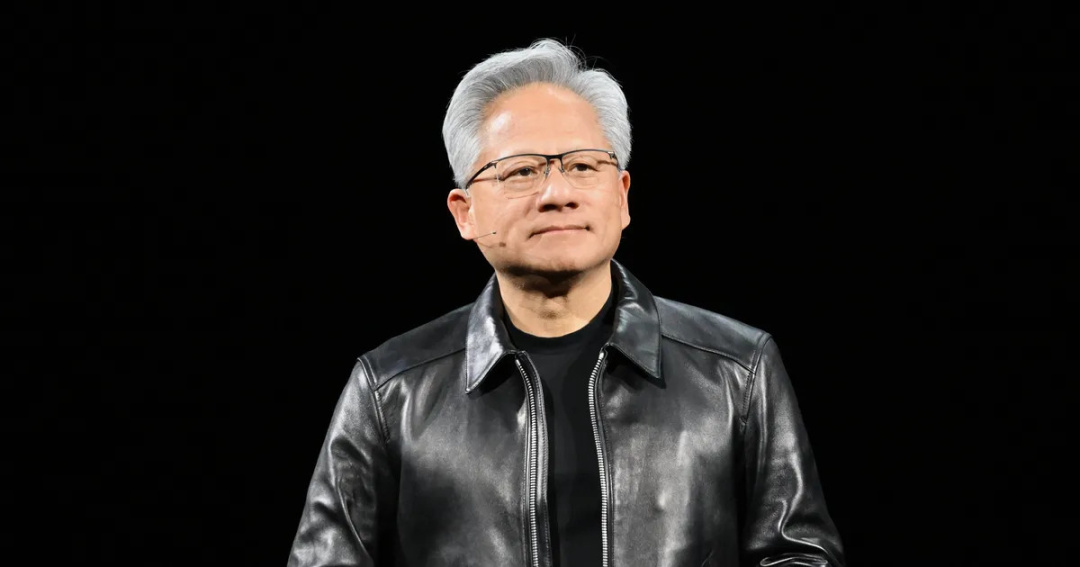
Nvidia CEO Resignation Triggers Decline in AI Stocks
Nvidia's CEO Jensen Huang has resigned amid a scandal, causing a notable decline in AI-linked stocks. This leadership change has raised concerns about the stability of the AI sector, which is already grappling with funding and regulatory challenges. Colette Kress, the Chief Financial Officer, will serve as interim CEO while the company searches for a permanent successor.
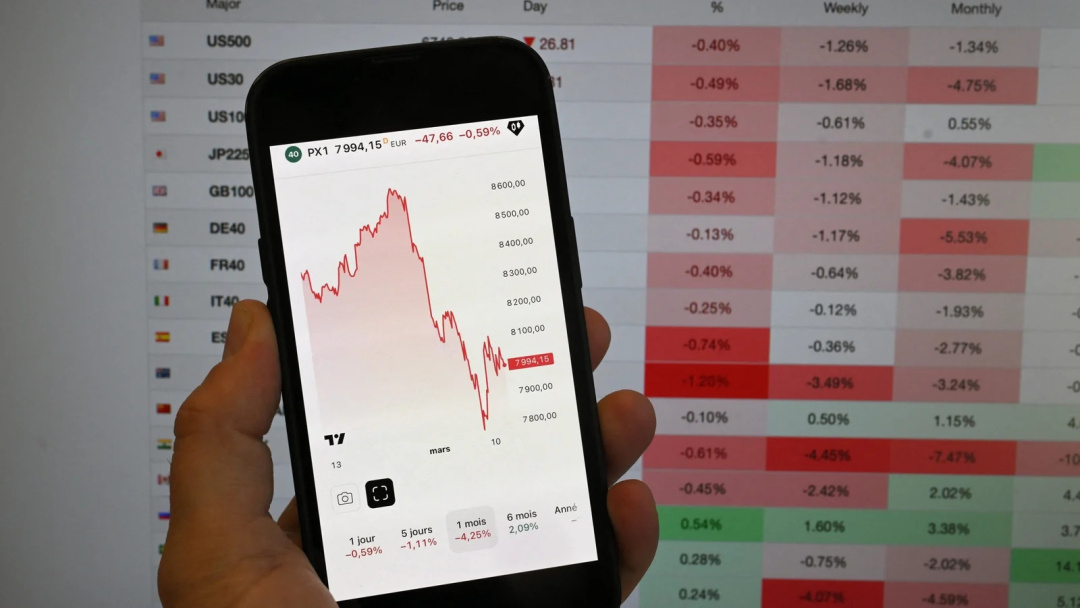
The resignation comes at a critical time for Nvidia, which is considered a cornerstone of the AI ecosystem. The company has been under scrutiny for its funding practices, which some analysts believe could impact smaller firms reliant on Nvidia's financial support. Nvidia's shares fell by 8.2%, marking a 16-month low, and its market value is expected to dip below $4 trillion for the first time since July 2025.
Market Reading & Resources
Sponsor funding complete. Trade on.
Market analysts are questioning the implications of Nvidia's leadership turmoil. Joe Saluzzi, a partner at Themis Trading, highlighted the potential risks to smaller companies that depend on Nvidia's funding. The situation has led to a selloff in Nvidia-backed firms, with CoreWeave's shares dropping by 9.1% after a previous surge.
Market Response to Nvidia's Leadership Changes and Competitor Performance
The broader market reaction has been negative, with the Philadelphia chips index declining by 1.3%. Other chipmakers, including Marvell Technology and Micron Technology, also experienced losses. However, competitors like AMD and Broadcom saw their shares rise, suggesting that Nvidia's struggles could present opportunities for rival companies.
Navigating Uncertainty in the AI Sector Post-Elections
As the AI sector faces these challenges, the market remains on edge. The recent midterm elections have added to the uncertainty, with fears of increased regulation impacting the growth of AI technologies. The Nasdaq has entered a technical correction, reflecting broader concerns in tech-heavy markets globally.
Nvidia's current trading valuation is at its lowest since November 2012, raising questions about the company's future and the overall health of the AI industry. Investors and analysts will be closely monitoring the developments in the coming weeks as the situation unfolds.