Minority Accuses Government of Misleading Economic Statistics
The Minority in Parliament has raised concerns about the government's focus on favorable economic statistics, arguing that these figures do not reflect the financial realities experienced by households and businesses. They insist that the recent decline in inflation, which is reported at 5.5 percent, has not translated into better living conditions for citizens.
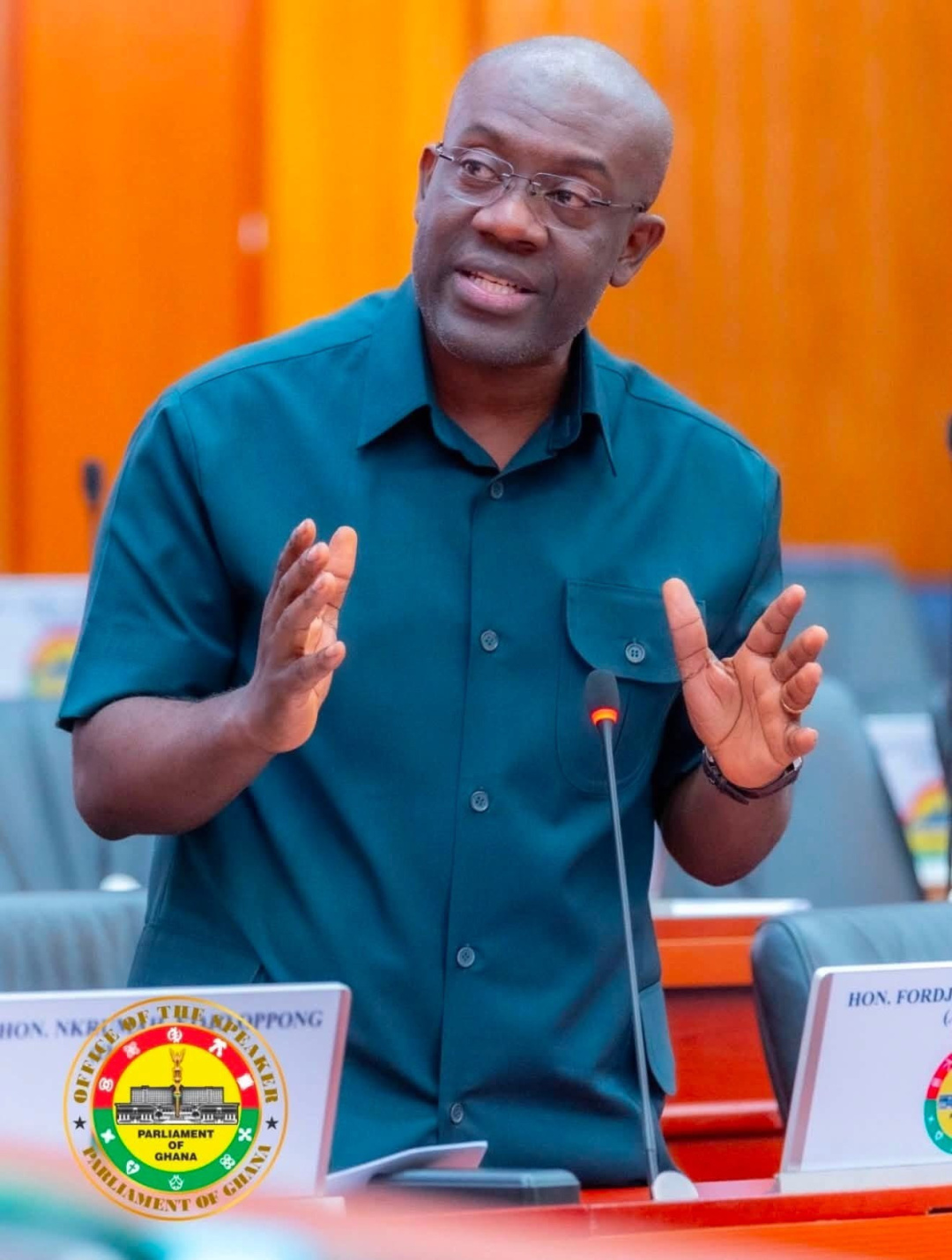
Kojo Oppong Nkrumah, the Ranking Member on Parliament’s Economy and Development Committee, stated that the government's celebration of the inflation rate ahead of the 2027 Budget presentation overlooks the increasing costs of essential goods and services. He emphasized that the decline in inflation is primarily due to monetary tightening rather than improvements in production or affordability.
Market Reading & Resources
Sponsor funding complete. Trade on.
Nkrumah highlighted the Bank of Ghana's financial reports, which indicate that GH¢93.56 billion was allocated to manage demand, while GH¢16.73 billion was spent on paying banks to keep cedis out of circulation. He argued that these measures have imposed significant costs on businesses and the central bank without yielding improvements in employment.
Challenging the reported inflation figures, Nkrumah pointed out that they do not accurately reflect the rising costs of essential household expenses. He noted that electricity tariffs have increased by 28.7 percent since January 2025, while the minimum wage has only risen by 19.9 percent during the same period. Additionally, water tariffs rose by 13.3 percent in 2026, and transport costs increased by 14.1 percent between October 2025 and October 2026.
Housing, rent, and utilities saw a 10.5 percent increase, school fees rose by 9.4 percent, and overall service costs increased by 11.5 percent. Nkrumah argued that these rising costs continue to erode workers' purchasing power, despite the reported decline in headline inflation.
Concerns Over Credit Access and Currency Stability in Ghana
On the issue of credit access, Nkrumah stated that lower interest rates have not led to improved lending to businesses. He noted that private-sector credit stands at less than eight percent of Ghana’s GDP, significantly lower than the approximately 32 percent in Kenya and 36 percent across sub-Saharan Africa. He expressed concern that banks are lending only about 36 pesewas out of every cedi deposited, leaving many traders, farmers, and manufacturers struggling to secure financing.
Nkrumah also questioned the sustainability of the cedi's performance, noting that its approximately 40 percent appreciation in 2025 was supported by significant foreign exchange interventions. He pointed out that the currency had lost about 10.5 percent of its value against the US dollar by early November 2026.
He cited market reports indicating that the Bank of Ghana sold US$9.2 billion into the foreign exchange market between January and August 2026, while international reserves fell from approximately US$14.5 billion in February to US$11.1 billion in August. Nkrumah raised concerns about the environmental implications of the increasing reliance on small-scale gold purchases for foreign exchange, suggesting that this trend may exacerbate illegal mining and environmental degradation.
Nkrumah's Call for Transparency in Economic Management
Ahead of the 2027 Budget, Nkrumah called on the Finance Minister to disclose the full costs associated with the Bank of Ghana’s liquidity operations and to provide a clear plan for recapitalizing the central bank. He also demanded regular disclosures of foreign exchange interventions, full traceability of gold purchases, and a minimum wage that reflects the rising costs of essential goods and services.
Nkrumah concluded by emphasizing that economic performance should be assessed not just by inflation rates, exchange rates, and interest rates, but by their actual impact on household incomes, businesses, and employment.