Economic Conditions and Their Influence on Voter Sentiment in San Diego
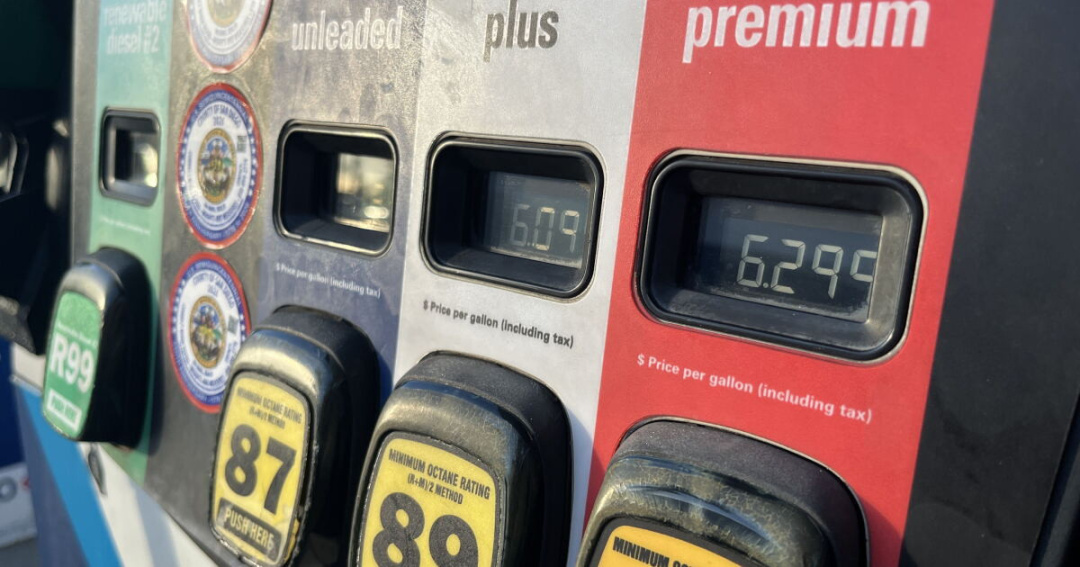
On a recent episode of KPBS Midday Edition, the economic landscape in San Diego was examined, particularly in light of its influence on voter behavior during the recent elections. The discussion highlighted the rising cost of living, record-breaking gas prices, and slow wage growth as significant stressors for many residents. Inflation has risen for three consecutive months, surpassing expectations, which has heightened concerns among voters.
Daniel, the chief economist at the Policy Innovation Center, provided insights into the current state of inflation, noting that the latest figures indicate a persistent rise, with inflation rates significantly above the target of 2%. This elevated inflation affects daily life, making it increasingly difficult for residents to manage their finances.
Market Reading & Resources
Sponsor funding complete. Trade on.
Wage stagnation has also been a critical issue, with recent trends showing that while wages had slightly outpaced inflation in the past, this has not been the case in recent months. The disconnect between wage growth and inflation has led to frustration among workers, as many feel that their earnings are not keeping pace with rising costs.
Unemployment rates in San Diego have remained low, which typically would suggest a healthy economy. However, the persistent economic strain has led to a general sense of pessimism among residents. The discussion pointed out that many individuals are not actively participating in the labor force, particularly women, due to high childcare costs, which further complicates the economic picture.
Economic Frustration Drives Voter Decisions in Recent Elections
As the conversation shifted to the recent elections, it was noted that economic frustration played a significant role in voter decisions. Exit polls indicated that concerns about the economy were the primary reason voters opted for Democratic candidates, reflecting a broader dissatisfaction with the current administration's handling of economic issues.
Gas prices, a particularly visible indicator of inflation, have also been a focal point for voters. While the national average dipped below $4 per gallon, San Diego residents are still facing much higher prices, which contributes to their economic anxiety. The discussion suggested that potential changes in foreign policy could impact gas prices in the future, but the immediate outlook remains uncertain.
Investing in Solutions for a Sustainable Economic Future
Despite these challenges, voters in San Diego have shown a willingness to invest in long-term solutions, as evidenced by the passage of measures aimed at improving healthcare and addressing local environmental issues. This reflects a recognition that investments in critical areas could lead to sustained economic growth and improved quality of life for residents.
Overall, the economic conditions in San Diego are complex, with inflation, wage stagnation, and unemployment all playing pivotal roles in shaping voter sentiment. As the region navigates these challenges, the focus remains on finding solutions that can foster economic stability and growth for all residents.