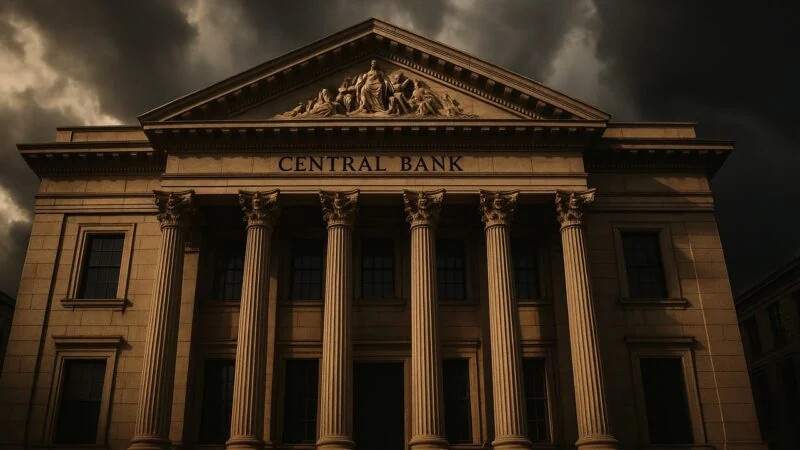
Bank of Canada Increases Policy Rate to Combat Inflation

The Bank of Canada has raised its policy rate to 2.5% in an effort to combat persistent inflation that has been affecting the economy. This decision, announced during the Bank's recent meeting, represents the first rate hike since July 2023, following a period of stable rates. The central bank's move is primarily a response to ongoing inflationary pressures, particularly those driven by rising energy prices, which have been influenced by geopolitical tensions in the Middle East.
Governor Tiff Macklem and the Bank of Canada are prioritizing inflation control but are also cautious about the potential consequences of further rate adjustments. The increase in the policy rate aims to curb inflation, but it also raises concerns about the impact on economic growth, consumer spending, and borrowing costs. As the central bank navigates these challenges, market participants will be closely monitoring upcoming economic data releases, including Canadian Consumer Price Index (CPI) and GDP figures, for signs of further inflationary trends.
Market Reading & Resources
Sponsor funding complete. Trade on.
Public statements from Bank of Canada officials, including insights from Governor Macklem and Senior Deputy Governor Carolyn Rogers, will be crucial in shaping expectations for future monetary policy. Additionally, developments in global energy markets and geopolitical tensions could significantly influence the likelihood of further rate hikes in the upcoming December meeting.
Navigating the Balance Between Inflation Control and Economic Growth
As the situation evolves, it remains essential for market participants to stay informed about the implications of the Bank's decisions on the broader economy. The balance between controlling inflation and supporting economic growth will be a key focus for the Bank of Canada in the coming months.