RBA's Inflation Control Measures May Lead to Job Losses
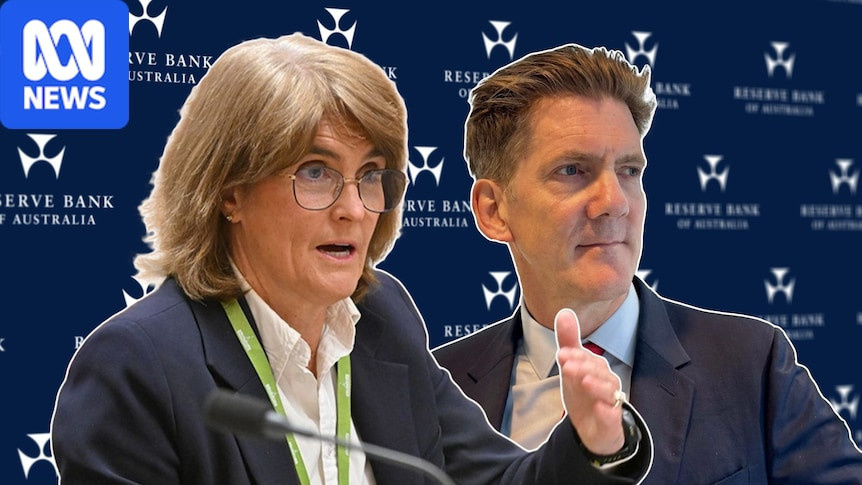
The Reserve Bank of Australia (RBA) is grappling with a significant challenge as it seeks to control inflation while maintaining employment levels. Recent actions, including multiple interest rate hikes, have raised concerns among the public about the potential for increased unemployment. RBA officials, including Michele Bullock and Andrew Hauser, have acknowledged that their mission to stabilize prices may inadvertently lead to job losses, prompting a debate about the trade-offs involved in monetary policy.
As inflation continues to rise, the RBA has stated that it is committed to restoring trust in its ability to manage the economy. However, public sentiment appears to be shifting, with many Australians expressing doubts about the effectiveness of the central bank's strategies. The RBA's recent decisions have sparked discussions about the delicate balance between controlling inflation and preserving jobs, with some questioning whether the current approach is sustainable.
Market Reading & Resources
Sponsor funding complete. Trade on.
The central bank's focus on reducing inflation has led to a series of interest rate increases, which are intended to cool down the economy. While these measures may help bring inflation under control, they also carry the risk of pushing more individuals into unemployment. This situation has raised ethical questions about the RBA's responsibility to the workforce and the broader implications of its policies on society.
In light of these developments, the RBA is under pressure to reassess its strategies and communicate more effectively with the public. The challenge lies in finding a solution that addresses inflation without sacrificing employment opportunities. As the economic landscape evolves, the RBA's ability to navigate these complexities will be crucial in maintaining public confidence in its monetary policy.
Public Trust and Economic Stability
The RBA's efforts to combat inflation are not just about numbers; they reflect a broader societal concern regarding economic stability and the well-being of Australians. As the central bank continues to implement its policies, it must consider the potential consequences for individuals and families who may be adversely affected by rising unemployment. The ongoing dialogue between the RBA and the public will be essential in shaping future monetary policy and ensuring that the central bank remains accountable to the people it serves.