US Markets React to Earnings, Inflation Data, and Iran Tensions
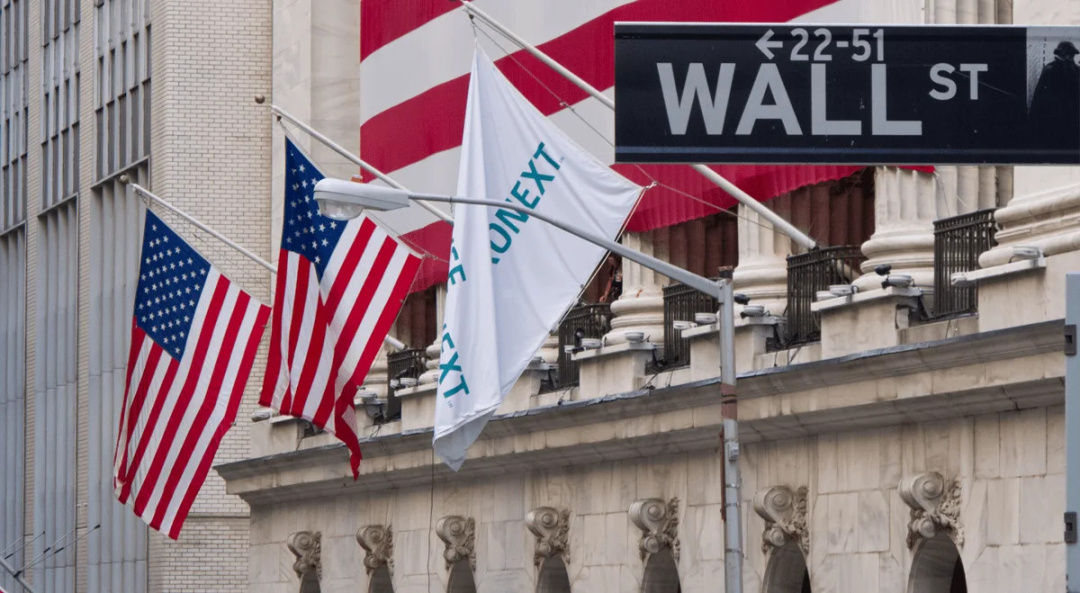
US stock futures traded mixed on Tuesday as investors assessed renewed geopolitical tensions between the United States and Iran, alongside a week filled with significant earnings releases and key inflation data. The unofficial start of the second-quarter earnings season is marked by results from major US banks, while the latest Consumer Price Index (CPI) report and testimony from Federal Reserve Chair Kevin Warsh are expected to shape expectations regarding interest rates.
Nvidia has tightened access to its artificial intelligence chips in response to ongoing US export restrictions, which are reshaping the global semiconductor landscape. The company has reportedly reduced the number of Asian customers authorized to purchase its AI chips by more than half, implementing a new approved customer list and enhanced due diligence procedures in regions such as Singapore, Malaysia, and Japan. This move underscores the increasing importance of geopolitical considerations in the semiconductor industry, particularly concerning exports to China.
Market Reading & Resources
Sponsor funding complete. Trade on.
As investors remain cautious ahead of potentially market-moving events, technology shares are under scrutiny following recent volatility in the AI sector. The combination of corporate earnings, economic data, and central bank commentary is expected to significantly influence whether equities can regain momentum after recent declines.
Geopolitical risks have escalated following a series of US military strikes against Iranian targets, aimed at military facilities linked to attacks on commercial shipping. The US Central Command stated that these operations are intended to diminish Iran's capacity to threaten vessels in the Strait of Hormuz, a critical energy shipping route. President Donald Trump has also reinstated a US naval blockade targeting Iran and proposed a 20% protection fee on commercial ships transiting the Strait, indicating that tensions between Washington and Tehran remain high despite diplomatic efforts.
The Strait of Hormuz represents a major geopolitical risk for financial markets, as any prolonged disruption to shipping could lead to higher energy prices, increased inflationary pressures, and greater market volatility. Investors are closely monitoring these developments as they prepare for the earnings season.
The second-quarter earnings season kicks off in earnest on Tuesday, with several of the largest US financial institutions, including JPMorgan Chase, Bank of America, Goldman Sachs, Wells Fargo, and Citigroup, set to report their quarterly results. These earnings will provide investors with an early glimpse into corporate America's performance during a period characterized by geopolitical uncertainty and shifting expectations for interest rates. Strong results could bolster confidence in the resilience of the US economy, while disappointing figures may raise concerns about slowing growth.
In addition to bank earnings, investors are awaiting the release of June's Consumer Price Index, which is expected to offer further insight into the outlook for US monetary policy. Market sentiment is increasingly leaning towards the Federal Reserve maintaining higher interest rates for an extended period, with some speculating about the possibility of an additional rate increase before the year concludes. Federal Reserve Governor Christopher Waller indicated that policymakers might need to raise rates further if inflation continues to exceed the central bank's 2% target.
Attention will also focus on Federal Reserve Chair Kevin Warsh, who is scheduled to testify before Congress over two days. Investors will scrutinize his comments for any hints regarding the Fed's policy direction. Inflation remains a key driver of equity markets, and a stronger-than-expected CPI reading could dampen expectations for future rate cuts, particularly impacting growth stocks in the technology sector. Conversely, weaker inflation data could bolster hopes for a potential easing of monetary policy by the Federal Reserve.