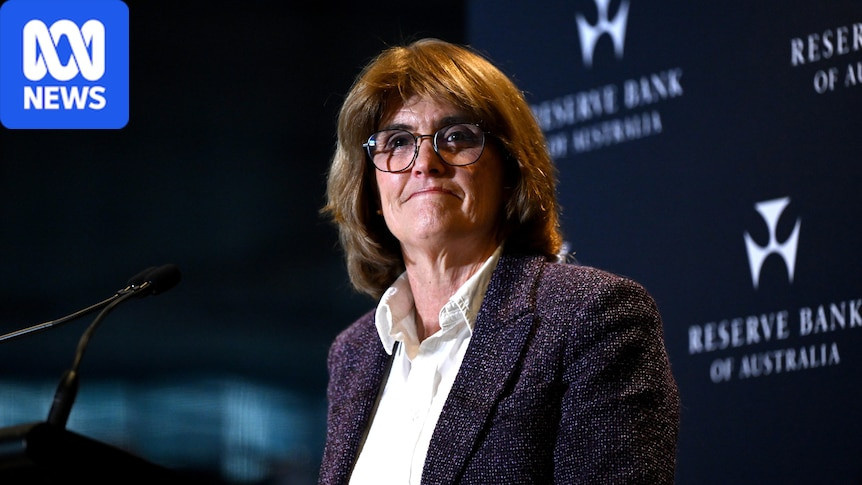
Australia's Inflation Remains Stubborn Amid Global Trends
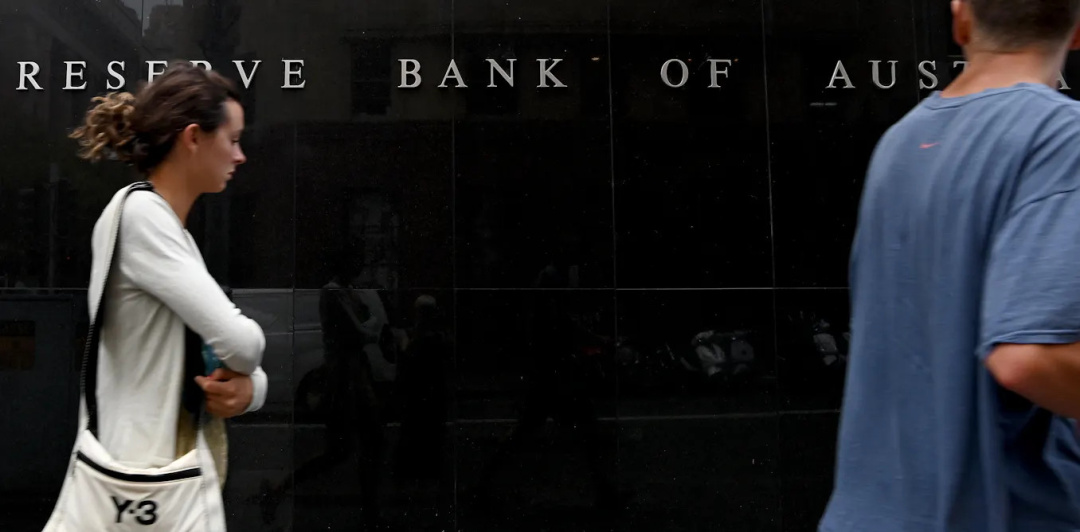
Inflation in Australia has shown greater persistence than in many comparable economies, leading the Reserve Bank of Australia (RBA) to adopt a more aggressive stance on interest rate hikes. Throughout 2026, the RBA has raised rates five times, contrasting sharply with the United States and the United Kingdom, which have only increased rates once in the past two years. This situation has placed significant financial strain on Australian households.
Official statistics reveal both the headline rate, or consumer price index (CPI), and underlying inflation figures. The latter, which excludes extreme price fluctuations, provides a clearer view of long-term price pressures. Currently, Australia's underlying inflation, as measured by the trimmed mean, hovers around 3.5% to 3.6%, notably higher than the 2% to 2.5% seen in the US, UK, and Canada.
Market Reading & Resources
Sponsor funding complete. Trade on.
This persistent inflation has been attributed to various factors, including supply constraints that have emerged post-pandemic. Initially, inflation surged due to a rebound in consumer demand, but more recently, issues such as housing shortages and rising energy costs have played a significant role. The conflict in the Middle East has exacerbated oil prices, further increasing costs for consumers and businesses alike.
Labour shortages have also contributed to inflationary pressures, as many sectors struggle to find skilled workers. This situation has resulted in higher wages, which can lead to increased consumer prices. Additionally, a surge in investment in data centres and digital infrastructure has heightened demand for energy and construction resources, further complicating the inflation landscape.
The RBA's Strategy to Combat Inflation and Its Limitations
The RBA's primary tool for managing inflation is the cash rate. By raising this rate, the RBA aims to make borrowing more expensive, thereby reducing consumer spending and business investment. However, this strategy is less effective when inflation is driven by supply-side issues rather than demand. Higher interest rates cannot directly address the need for more housing or energy supply, nor can they alleviate geopolitical tensions affecting prices.
Research from institutions like the International Monetary Fund highlights the delicate balance the RBA must maintain. Raising rates excessively could stifle economic growth and increase unemployment, while insufficient action may allow inflation to persist. The Australian housing finance system, characterized by a prevalence of variable-rate mortgages, means that rate hikes have immediate impacts on mortgage holders, intensifying the financial burden.
Collaborative Approaches Needed to Address Inflation Challenges
To effectively tackle inflation, experts argue that both the federal and state governments must collaborate with the RBA. This collaboration should focus on enhancing the economy's capacity to produce goods and services rather than merely reducing public spending. The Organisation for Economic Co-operation and Development has suggested several strategies, including investing in energy generation and improving workforce participation.
As the RBA continues to navigate these challenges, its recent decision to extend the timeline for returning inflation to its target range until late 2027 underscores the complexity of the situation. Addressing Australia's inflation problem will require not only monetary policy adjustments but also comprehensive reforms aimed at boosting supply and productivity across the economy.