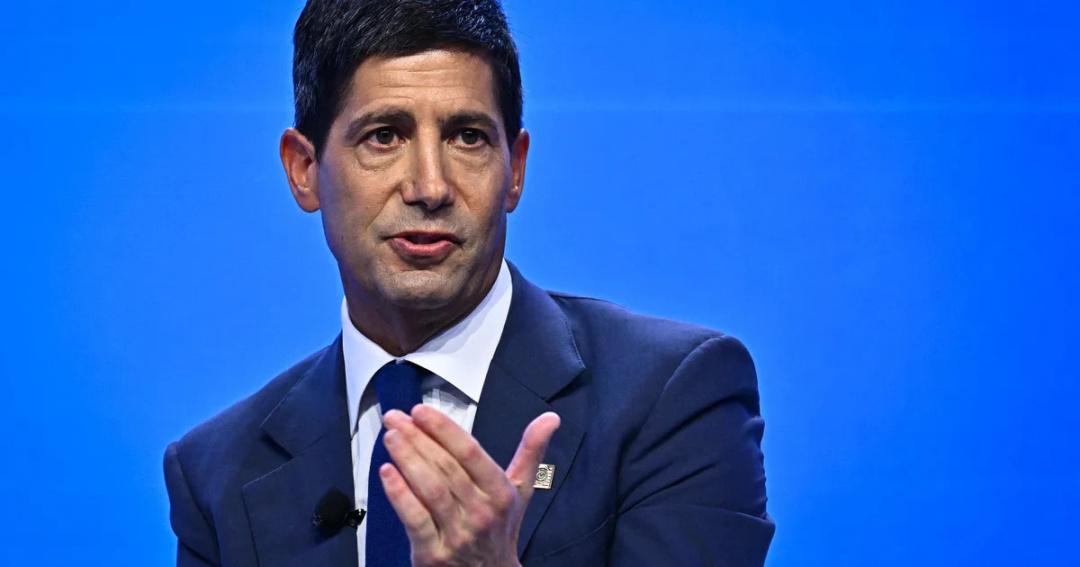
US Inflation Trends Influence Federal Reserve's December Rate Decision
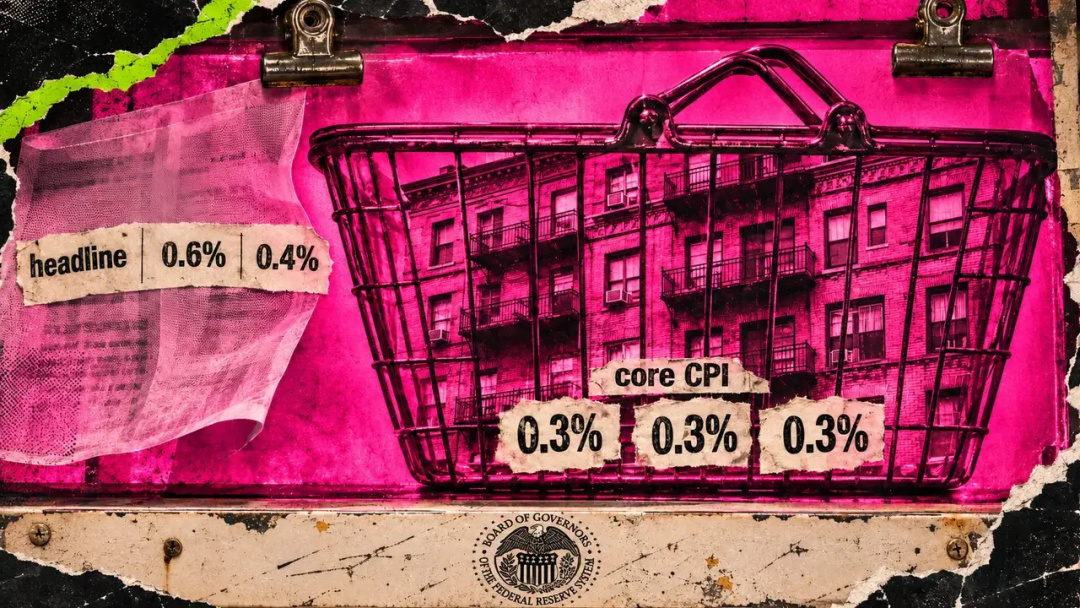
US monthly headline inflation experienced a slowdown in October, but core prices continued to rise by 0.3% for the third consecutive month. This figure aligns with the level that Federal Reserve Governor Christopher Waller had indicated would warrant consideration for a 50-basis-point interest rate hike in December. The Bureau of Labor Statistics reported on November 10 that consumer prices increased by 0.4% from September, following a 0.6% rise in the previous month. Notably, the agency did not publish year-over-year rates for either headline or core inflation.
The slower headline inflation creates a complex policy environment, as Waller had previously stated that a core CPI around 0.3% or higher would justify considering a more significant rate hike if the report mirrored the trends of the prior two months. His initial inclination leaned towards a 25-basis-point increase based on his expected outlook. With October's core reading matching this threshold, it remains to be seen how Waller and the Federal Open Market Committee will assess the situation following the report's release.
Market Reading & Resources
Sponsor funding complete. Trade on.
Despite the overall monthly pace easing, prices continued to rise in various categories. Energy costs increased by 0.7%, following a substantial 5.2% rise in September, while food prices also saw an uptick, with the index rising by 0.5% in October. Shelter costs rose by 0.3%, contributing significantly to the monthly headline increase, as reported by the BLS.
The core inflation result illustrates that the headline slowdown presents only part of the economic picture. Excluding food and energy, the core CPI maintained the same 0.3% monthly increase recorded in August and September, indicating persistent inflationary pressures in certain sectors. Waller's remarks prior to the report's release do not confirm any post-release endorsement or decision from the Federal Open Market Committee regarding interest rates.
Analyzing Price Variations and Their Implications for Inflation Metrics
Price changes varied across different categories, with recreation costs rising by 0.8% and motor vehicle insurance increasing by 0.7%. In contrast, used car and truck prices fell by 1.2%. These variations are crucial for understanding the implications of a report that combines slower overall inflation with ongoing pressures in specific components.
Waller emphasized that his views are personal and do not necessarily reflect those of his colleagues on the Fed Board or the FOMC. He also discussed personal consumption expenditures inflation, which is the measure targeted by the FOMC. It is important to note that core CPI and personal consumption expenditures should not be treated as interchangeable metrics.
Navigating Inflation Data Gaps Ahead of December Evaluations
The BLS did not publish year-over-year changes for headline or core CPI for October, as the agency did not collect the necessary survey data during a lapse in appropriations. This absence leaves many series without the prior-year indexes needed for annual calculations.
For those monitoring the cryptocurrency market, the immediate question for policymakers is how they will evaluate the persistent core inflation alongside the slower headline pace. The next significant test will be the assessment from officials following the report's release and any subsequent inflation evidence leading up to December. The BLS has scheduled the release of November's CPI report for December 10 at 8:30 a.m. Eastern.