US Inflation Rises Despite Drop in Petrol Prices
Consumer prices in the United States increased in October more than anticipated, despite a decline in petrol prices to a four-month low. This change comes after easing concerns regarding the long-term effects of the closure of the Strait of Hormuz on global markets. The US Department of Labor’s Bureau of Labor Statistics reported that the Consumer Price Index (CPI) for all items rose by 0.4 percent in October, continuing an inflationary trend that has persisted since July. The average costs of shelter and food also saw increases during this period.
The Labor Department's report exceeded expectations set by the Federal Reserve Bank of Cleveland, which had predicted a CPI increase of 0.2 percent, and economists surveyed by FactSet, who anticipated a rise of 0.3 percent. This inflationary pressure persists even as energy prices have begun to ease.
Market Reading & Resources
Sponsor funding complete. Trade on.
On the political front, US President Donald Trump stated that future military action against Iran is unlikely, suggesting that the situation is stabilizing. He remarked that Iran's military capabilities are effectively diminished, and the US is maintaining the status quo at the request of neighboring countries.
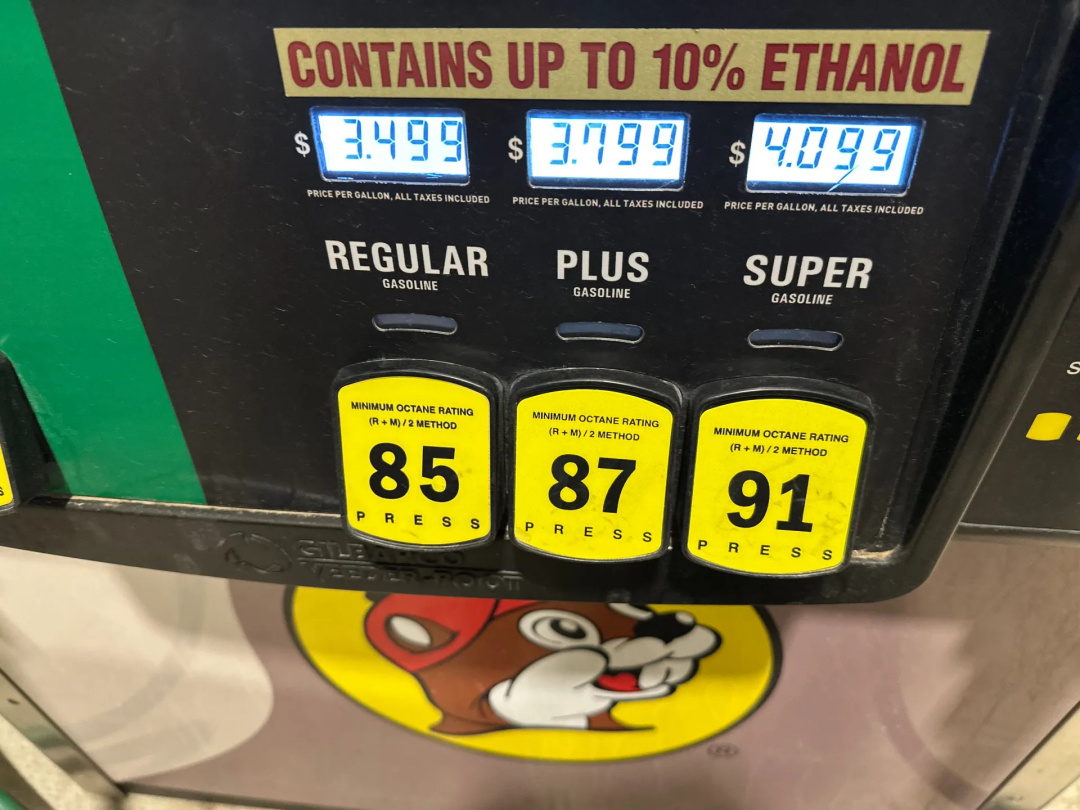
The average price of petrol has dropped below $4 per gallon for the first time since July, currently sitting at $3.98. However, this price remains significantly higher than the $3.07 average from a year ago. The price was even lower at $2.98 per gallon earlier in the year, prior to the onset of military actions involving the US and Israel against Iran.
Voter Priorities Shift Amid Economic Concerns
Economic concerns, particularly regarding the cost of living, were pivotal issues in the recent midterm elections held on November 3. Voter sentiment indicated that 78 percent considered cost-of-living issues to be very important or the most important factor influencing their votes. The results saw Republicans losing control of both the House of Representatives and the Senate, with a Reuters/Ipsos poll revealing that 43 percent of voters favored Democrats to handle economic issues, compared to 32 percent for Republicans.
Impact of Inflation on Voter Sentiment
Public perception of Trump has also shifted negatively, with only 32 percent of voters approving of his job performance, a slight increase from a record low of 31 percent the previous month. The Republican Party faced significant losses in traditionally strong states, indicating a potential shift in voter priorities and concerns related to the economy and inflation.
The ongoing inflation and its impact on the economy have clearly influenced voter sentiment and electoral outcomes. Trump's administration, along with key figures such as Vice President JD Vance, has acknowledged that the war on Iran has contributed to their electoral setbacks. As inflation continues to rise, the economic landscape remains a critical focus for both voters and policymakers moving forward.