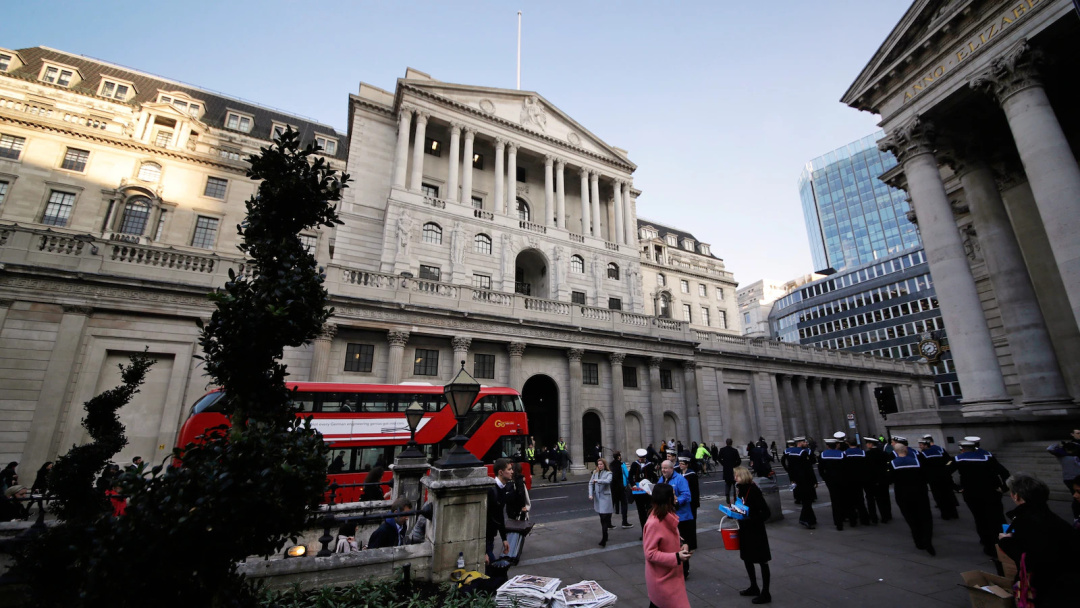
Traders Anticipate Rate Hikes from BoE and ECB Amid Rising Oil Prices
Interest rate traders are significantly increasing their bets that both the Bank of England (BoE) and the European Central Bank (ECB) will raise interest rates. This shift is largely driven by a sharp surge in oil prices, which has reignited inflation fears across Europe. Rising oil prices directly affect consumer energy costs in the UK and eurozone, leading to increased transportation costs, manufacturing inputs, and heating bills. In response, traders in interest-rate derivatives markets are adjusting their positions, utilizing tools such as overnight-indexed swaps and futures to forecast and react to these anticipated policy changes.
Historically, central bankers at the BoE and ECB have been cautious about responding to energy price shocks with rate hikes, understanding that higher interest rates cannot increase oil supply. However, if the price increases driven by oil begin to influence wages and broader inflation expectations, the situation may prompt a reassessment of their strategies. This scenario mirrors events from 2022, when persistent energy price hikes led to aggressive interest rate increases by both central banks.
Market Reading & Resources
Sponsor funding complete. Trade on.
As interest rates rise, the opportunity cost of holding non-yielding assets like Bitcoin also increases. During the Federal Reserve's aggressive rate hiking cycle from 2022 to 2023, Bitcoin saw a significant decline, losing approximately 75% of its value from peak to trough. Should both the BoE and ECB shift towards tightening monetary policy, it could create a risk-off environment that diverts capital away from speculative assets like cryptocurrencies and towards more traditional investments.
The UK economy, under the BoE's purview, has been navigating a delicate balance between persistent inflation and sluggish growth. Similarly, the ECB faces challenges across its diverse member economies, where the impact of rising energy costs varies significantly. Investors are encouraged to keep a close watch on interest rate swap markets and oil futures, as these may serve as leading indicators of future economic conditions. As of July 14, 2026, no confirmed statistics on transaction sizes, hike probabilities, or specific oil price levels are available from indexed sources, but the market's response to these developments will be critical to watch.