Upcoming Inflation Report to Reflect Economic Conditions Post-Elections
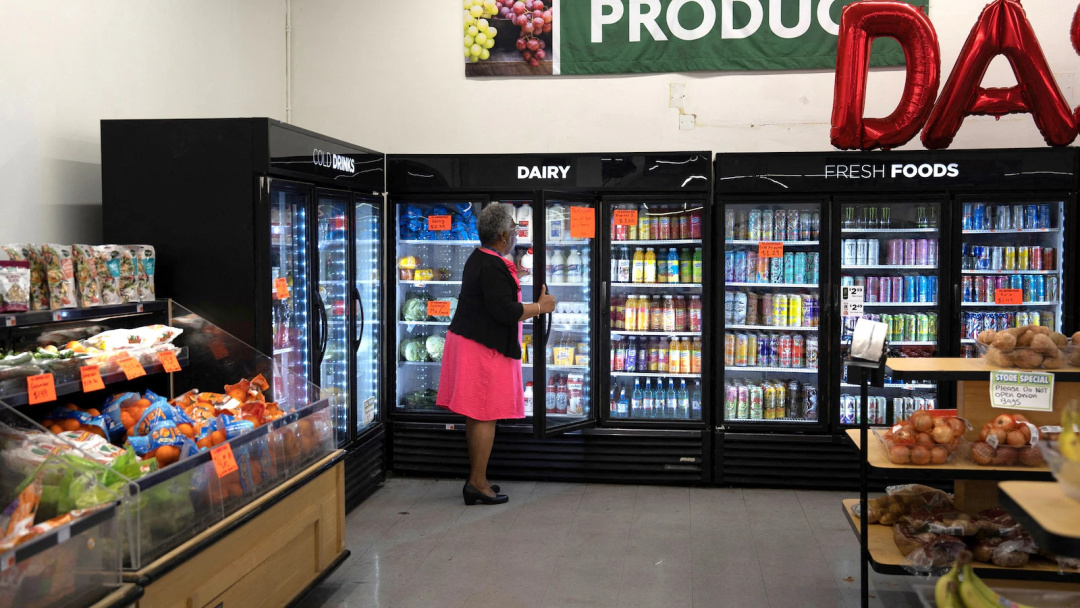
A government inflation report scheduled for release will offer the first comprehensive look at price changes across the nation since the midterm elections. These elections saw Democrats secure a significant victory, partly attributed to voter dissatisfaction with rising costs. The ongoing conflict in Iran has contributed to increased gasoline prices, pushing inflation to a three-year high earlier this year. Although inflation eased over the summer months, persistent unrest has kept price increases above pre-war levels.
Economists are predicting a slowdown in inflation for October, but the report will be missing a crucial data point: the year-over-year change in prices. This figure is typically scrutinized closely but cannot be calculated this time because the U.S. Bureau of Labor Statistics (BLS) did not publish an inflation report last October due to a government shutdown. According to the most recent data, prices rose by 3.7% over the year ending in September, up from 3.4% in August. This annual inflation rate is currently more than a percentage point above the Federal Reserve's target rate of 2%.
Market Reading & Resources
Sponsor funding complete. Trade on.
Fuel prices have played a significant role in the overall inflation picture in recent months. In September, gas prices surged by more than 9% compared to August, accounting for over half of the total price increase recorded that month, as reported by the BLS. However, a recent decline in oil prices since the midterm elections has begun to exert downward pressure on gasoline prices, with the national average for a gallon of gas falling below $4.
Inflation Data's Impact on Federal Reserve Decisions
The upcoming inflation data arrives at a critical juncture for the Federal Reserve, which is deliberating a potential interest rate increase. Such a move could help combat inflation but may also risk slowing down job growth. A stronger-than-expected jobs report released last week, indicating that employers added 165,000 jobs in October, may alleviate some concerns among central bankers regarding a potential slowdown in the labor market.
Fed's Rate Hike Considerations Amid Economic Indicators
If the Fed decides to raise rates at its next meeting in December, it would mark the second increase in four months, following a lengthy period without rate hikes. The combination of persistent inflation and a robust labor market has prompted the Fed to increase interest rates by a quarter of a percentage point in September. This decision aims to cool inflation by slowing economic activity and reducing demand, although such measures typically take time to yield results.
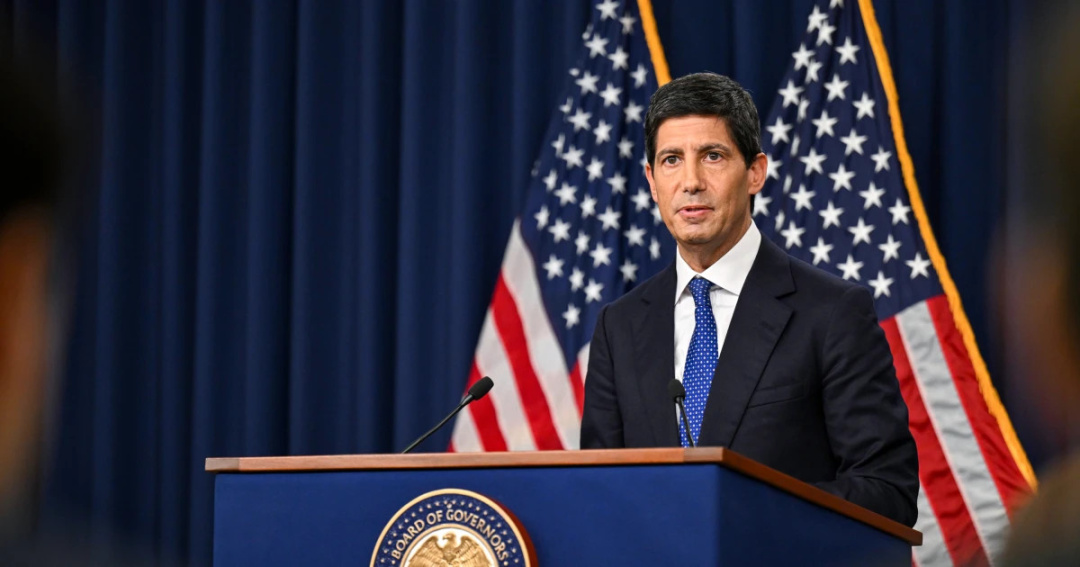
Policymakers are likely to reassess whether the current interest rates are sufficient to mitigate price increases. Market sentiment indicates an approximately 82% probability of a quarter-point rate hike at the Fed's upcoming meeting, according to CME Group's FedWatch Tool. Just days before the midterm elections, Fed officials opted to maintain interest rates, awaiting further economic data. Fed Chair Kevin Warsh emphasized the central bank's commitment to reducing inflation, stating, "It’s our responsibility to get inflation down."