Gold Price Outlook for November 9, 2026: Key Economic Factors
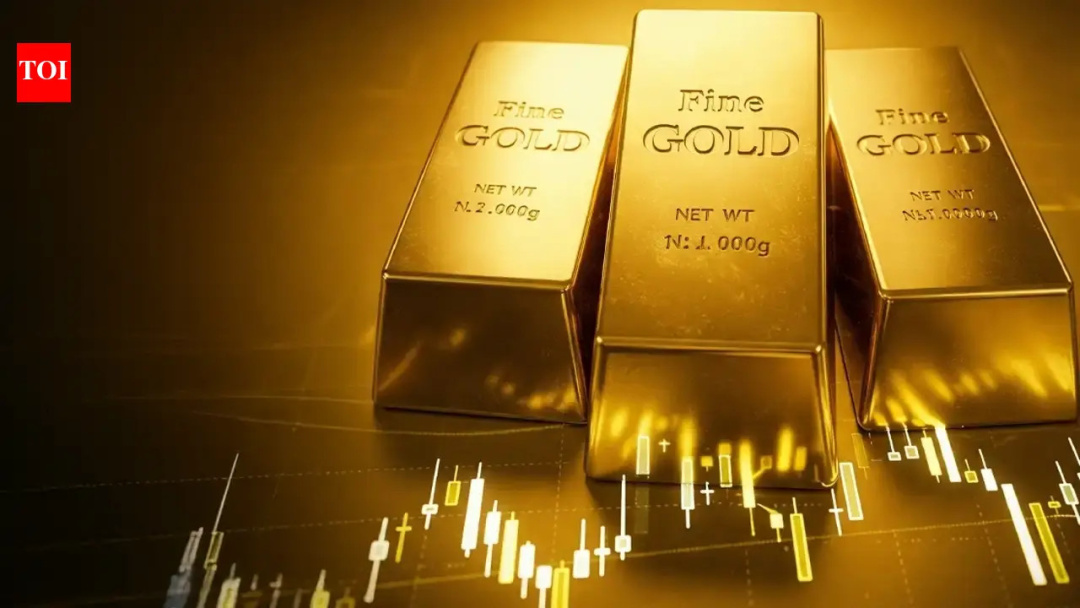
Gold prices have shown a notable recovery, rising above $4,100 per ounce as of November 9, 2026. This rebound follows a period of correction and is attributed to a combination of stronger US employment data, softer Treasury yields, and a weaker dollar. Analysts are closely monitoring these developments as they weigh the implications for gold prices moving forward.
According to Manav Modi, a Senior Analyst at Motilal Oswal Financial Services Ltd, gold has staged a recovery towards Rs 144,000, reversing part of its recent decline. The immediate intraday structure has improved, with prices moving above the Bollinger Band average of Rs 142,634. Currently, gold is testing the upper band near Rs 143,988, indicating a potential bullish momentum.
Market Reading & Resources
Sponsor funding complete. Trade on.
However, analysts caution that this upward movement may face some consolidation before further gains can be realized. Immediate support levels are identified around Rs 143,000 to Rs 142,600, with further support at Rs 141,300 to Rs 141,000. Maintaining a position above Rs 142,600 is crucial for sustaining the short-term recovery.
On the upside, resistance levels are set at Rs 144,500 to Rs 145,000, with a sustained move above Rs 145,000 potentially extending the recovery towards Rs 146,000. Conversely, if prices fail to hold above Rs 144,000 and break below Rs 142,600, profit-booking could occur, pushing prices down towards Rs 141,300.
Strong US Labor Market Data Influences Gold Price Dynamics
The recent increase in gold prices is also influenced by broader economic conditions. The US labor market data has shown resilience, with non-farm payrolls increasing by 165,000, significantly exceeding market expectations. The unemployment rate has also declined to 4.1%. Such strong employment figures suggest that the US economy remains robust, which may allow the Federal Reserve to maintain its restrictive monetary policy.
Expectations for another rate hike in December have strengthened, with markets assigning nearly an 80% probability to this outcome. This presents a significant headwind for gold, particularly if stronger employment data is coupled with persistent inflation. Nevertheless, the combination of softer Treasury yields and a weaker dollar has provided some support for gold prices, highlighting the importance of overall financial conditions in addition to interest rate expectations.
Geopolitical Tensions and Inflation Data Shape Gold's Future Outlook
Geopolitical developments, particularly concerning US-Iran relations, continue to offer underlying safe-haven support for gold. However, any meaningful progress towards de-escalation could reduce immediate demand for gold as a defensive asset. As market participants adjust their portfolios following recent volatility, the demand from Chinese buyers and long-term investors may help stabilize prices during corrections.
Attention now turns to the upcoming US CPI release, which will be critical in determining whether the recent employment strength is accompanied by renewed inflationary pressures. A higher-than-expected CPI reading could reinforce expectations of a December rate hike, strengthen the dollar, and push yields higher, potentially limiting gold's recovery. Conversely, a softer inflation report could ease monetary policy concerns and provide further upside momentum for gold prices.