Exploring Alternatives to Interest Rate Hikes for Inflation Control
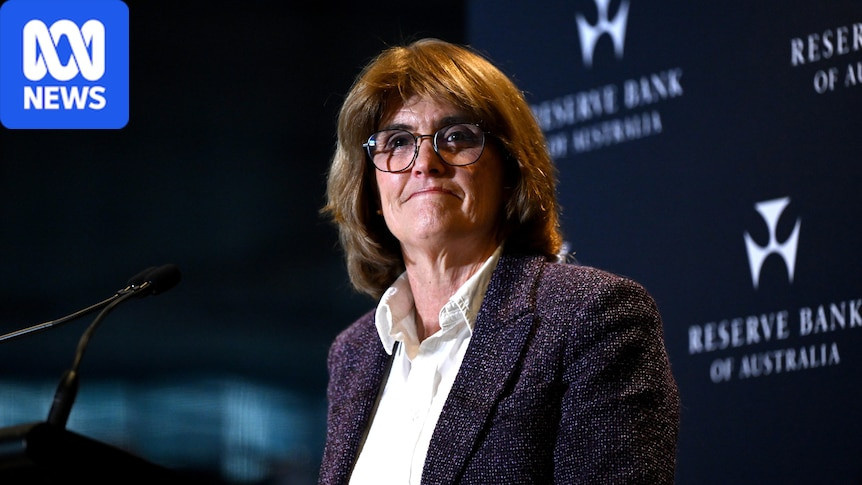
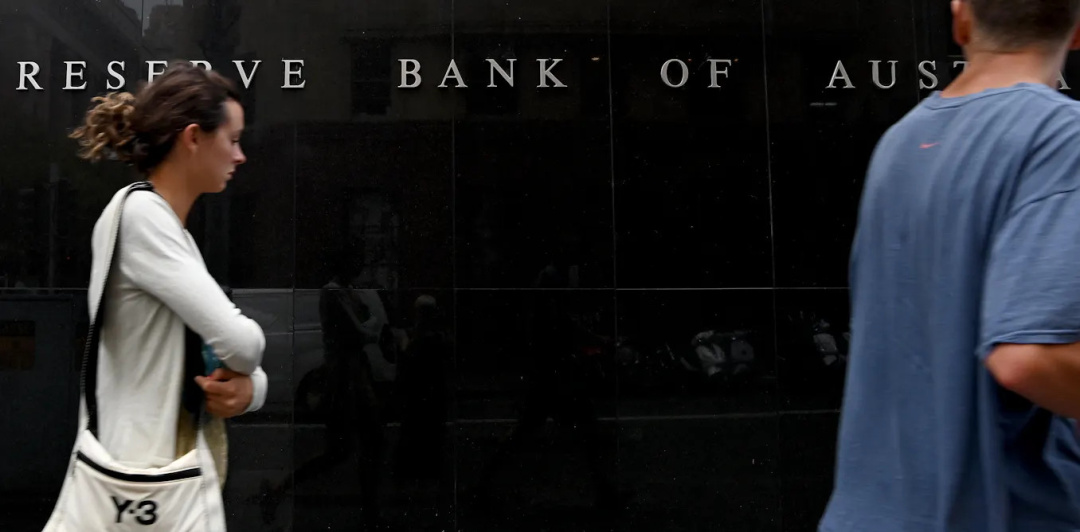
The Reserve Bank of Australia recently announced its fifth interest rate rise of the year, a move that has left many mortgage holders concerned about their financial futures. This series of rate hikes has led to increased scrutiny of whether there are viable alternatives to such blunt monetary policy tools for managing inflation. The traditional approach of raising interest rates is often criticized for its broad and sometimes harsh impact on consumers and businesses alike.
Experts suggest that while interest rate adjustments are a common method for controlling inflation, they are not the only option available. Some economists advocate for targeted fiscal policies that could address specific areas of the economy without the widespread effects of rate hikes. For instance, government interventions aimed at boosting supply in critical sectors could help alleviate inflationary pressures without necessarily increasing borrowing costs.
Market Reading & Resources
Sponsor funding complete. Trade on.
Additionally, enhancing competition in various markets may also serve as a tool for controlling prices. By fostering a more competitive environment, businesses may be encouraged to keep prices in check, thereby contributing to overall economic stability. This approach could be particularly effective in sectors where monopolistic practices have led to inflated prices.
Influencing Inflation Through Consumer Behavior
Another consideration is the role of consumer behavior in inflation dynamics. Encouraging savings and responsible spending can help mitigate demand pressures that often lead to price increases. Educational campaigns aimed at promoting financial literacy could empower consumers to make informed decisions, potentially reducing the overall demand that drives inflation.
Evaluating the Effectiveness of Alternative Strategies
Despite these discussions, the path forward is complex. Policymakers must weigh the potential benefits of alternative strategies against the risks of unintended consequences. As the economic landscape continues to evolve, the debate over the best methods for controlling inflation will likely remain a focal point for both economists and the public alike.
Ultimately, while interest rate hikes have been a primary tool for managing inflation, exploring alternative strategies could provide a more nuanced approach to economic stability. The effectiveness of these alternatives will depend on careful implementation and ongoing assessment to ensure they meet the needs of the economy without exacerbating existing challenges.