US Dollar Steady as Yen Hits 40-Year Low Ahead of CPI Data
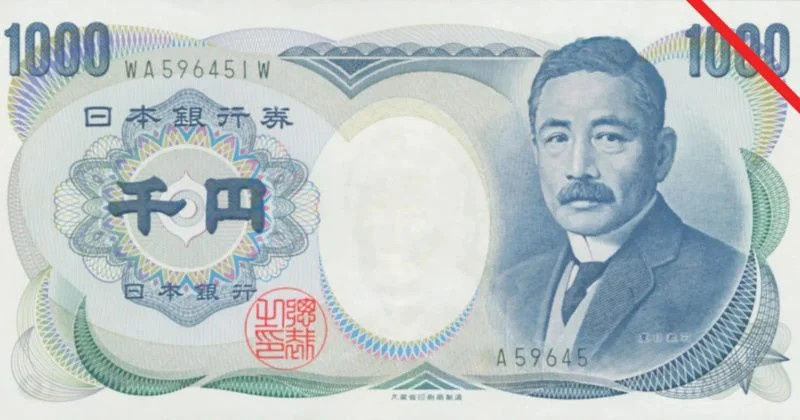
On July 14, 2026, currency markets held their breath in anticipation of the Bureau of Labor Statistics' release of June's Consumer Price Index data. The US dollar remained steady against most major currencies, while the Japanese yen faced significant pressure, trading between 162.07 and 162.42, marking its weakest position in nearly 40 years. This situation reflects a growing divergence in monetary policy between the Federal Reserve, which has been tightening rates, and the Bank of Japan, which has maintained an accommodative stance with historically low rates.
Geopolitical tensions in the Middle East have contributed to rising crude oil prices, adversely affecting Japan, a nation that relies heavily on energy imports. This increase in oil prices has widened Japan's trade deficit, diminishing demand for the yen in global markets. Concurrently, these geopolitical risks have driven investors towards safe-haven assets, with the US dollar emerging as the preferred choice in the current climate.
Market Reading & Resources
Sponsor funding complete. Trade on.
As the market awaits the CPI release, the DXY index, which measures the dollar against a basket of major currencies, has been hovering around 101. If June's CPI exceeds May's annual rate of 4.2%, analysts expect the dollar to strengthen further against the yen and other currencies. A higher inflation rate would likely lead the Fed to maintain a restrictive policy, making dollar-denominated assets more attractive. In this scenario, USD/JPY could potentially rise towards 163 or higher.
Conversely, a softer CPI reading might ease pressure on the Fed and provide some support for the yen. However, the yen's weakness is also influenced by rising energy prices and structural challenges within Japan's economy, suggesting that a single CPI report may not significantly alter the policy gap between the Fed and the Bank of Japan.
The yen carry trade, a strategy where investors borrow in yen at low interest rates to invest in higher-yielding assets, has been a crucial source of liquidity for global markets. A sharp decline in the yen raises the risk of sudden reversals in these trades, creating instability. Should the yen recover rapidly due to unexpected intervention or a significant policy shift from the Bank of Japan, it could lead to an unwinding of carry positions, impacting risk assets worldwide.
The Bank of Japan has shown little inclination towards adopting a hawkish stance that would narrow the policy gap with the Fed. In this context, dollar-correlated assets, including stablecoins and dollar-pegged instruments, are becoming increasingly relevant as hedges against currency volatility.