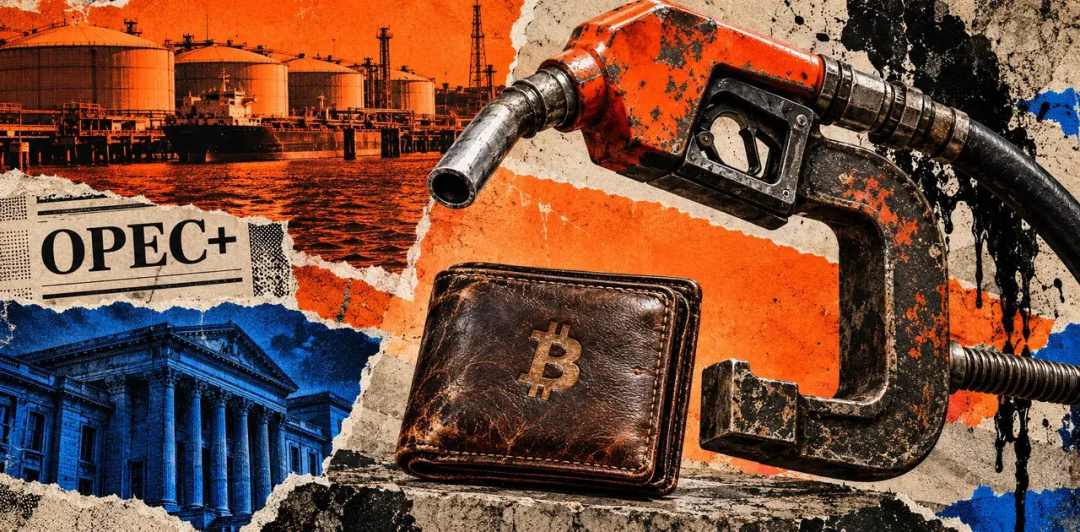
Iran's Attack on US Naval Facilities in Oman Impacts Crypto Markets
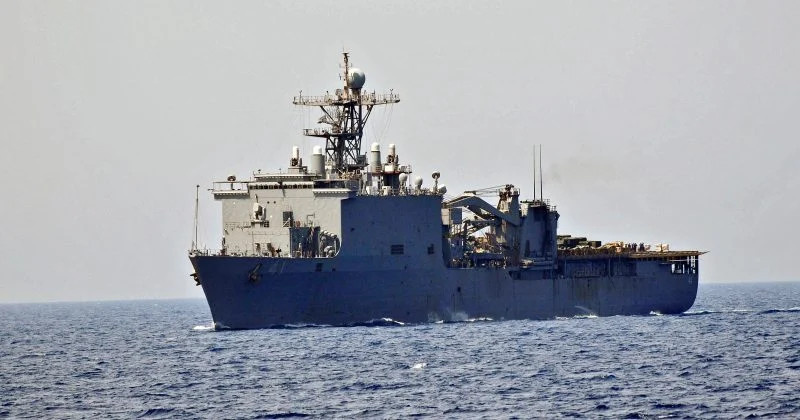
Iran has escalated its military confrontation with the United States by attacking facilities that support US naval operations in Oman. This incident marks a significant shift from a previously tense standoff to an outright military engagement, impacting not only regional stability but also global financial markets, particularly cryptocurrencies. The Strait of Hormuz, adjacent to Oman, is a critical chokepoint for global oil transport, and threats to this area can lead to rapid changes in crude prices and risk assets.
The attack follows a pattern of increasing Iranian military activity against US assets in the Gulf, which has been intensifying since at least May 2026. On June 5, 2026, Iranian state media reported missile and drone strikes targeting US destroyers in the Sea of Oman, although these claims were dismissed by US Central Command as false. Additionally, the Iranian Revolutionary Guard has announced operations aimed at US facilities in Bahrain, Kuwait, Jordan, and Qatar, highlighting the strategic importance of Oman as a mediator in the region.
Market Reading & Resources
Sponsor funding complete. Trade on.
In the wake of these developments, Bitcoin's value fell to approximately $62,275 in early July 2026, dipping below the $70,000 mark during heightened tensions. This volatility is not isolated to Bitcoin; oil-linked perpetual futures on the trading platform Hyperliquid surged over 5% in late February 2026 following US-Israeli strikes on Iranian positions, indicating a broader market response to geopolitical events.
Within Iran, the crypto market has seen around $3 million in trading shifts during periods of conflict, with trading activity significantly hampered by internet blackouts. The Iranian government has a history of restricting internet access during times of military or domestic unrest, which often leads to a decline in crypto trading.
The situation in the Strait of Hormuz introduces a potential supply shock that could elevate inflation expectations globally. As traders navigate these uncertainties, platforms like Hyperliquid are becoming essential tools for gauging how the crypto market is pricing geopolitical risks. The open interest in oil-linked futures serves as a key indicator of whether the market anticipates ongoing disruptions rather than isolated incidents, reflecting the interconnectedness of geopolitical events and financial markets.