US Nonfarm Business Productivity Rises, Impacting Inflation and Bitcoin
In the third quarter, US nonfarm businesses reported a productivity increase of 3.6%, which allowed labor costs per unit of output to decline even as hourly compensation rose by 2.9%. This situation presents a potential offset to concerns about job-driven inflation, suggesting that lower cost pressures could help mitigate inflation and interest rate expectations, thereby making financing less expensive for assets like Bitcoin.
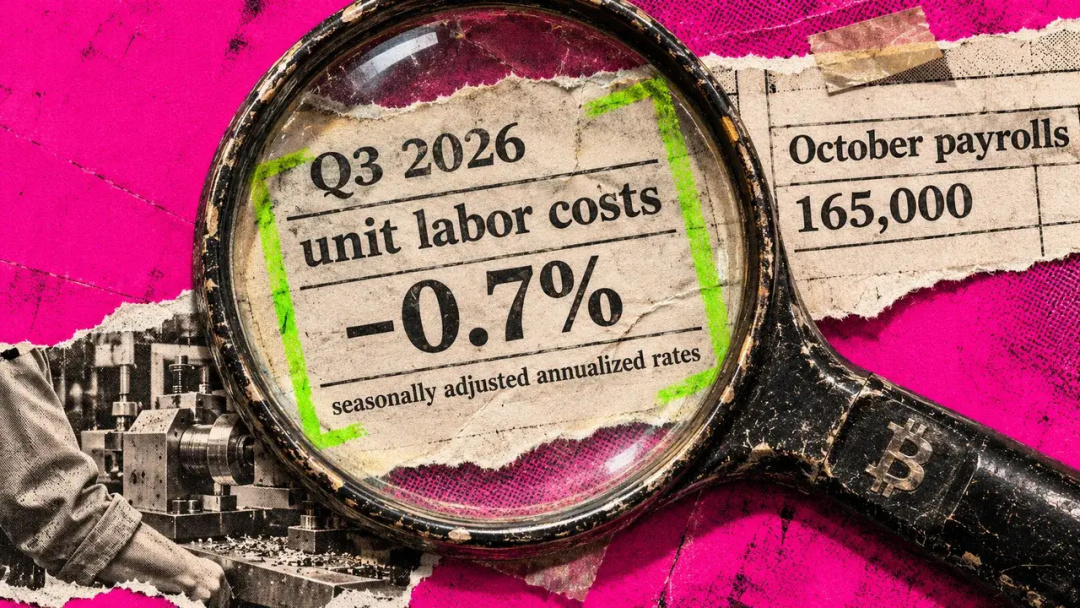
The Bureau of Labor Statistics released preliminary data on November 5, indicating that output increased by 3.7% while hours worked rose by just 0.1%. The decrease in unit labor costs, which fell by 0.7%, is significant as it reflects the relationship between compensation and productivity. When productivity rises, businesses can afford to pay higher wages without increasing their labor costs per unit produced.
Market Reading & Resources
Sponsor funding complete. Trade on.
Despite the positive productivity figures, the quarterly decline in labor costs does not automatically resolve the inflation outlook. The productivity growth reported does not necessarily correlate with how productive workers were in October, as the two reports cover different timeframes and metrics. The increase in payrolls in October, which saw a rise of 165,000 jobs, exceeds the average monthly gain of 48,000 over the previous year, indicating a robust job market.
Rising Labor Costs Challenge Inflation Relief Efforts
However, the average hourly earnings for private nonfarm employees rose by 0.4% month-over-month and 3.1% year-over-year, raising questions about the sustainability of lower labor costs. The nonfarm business unit labor costs remain 2.4% higher than a year earlier, suggesting that while there is some relief in quarterly costs, the overall inflationary pressures are still present.
Federal Reserve Balances Productivity Gains with Inflation Concerns
The Federal Reserve's recent decisions reflect this tension between productivity growth and inflation. On October 28, the Federal Open Market Committee opted to maintain its target range at 3.75% to 4.00%, with some members advocating for a quarter-point increase. The Fed acknowledged strong productivity growth while also noting that inflation remains elevated, complicating the narrative around easing monetary policy.
For Bitcoin, the implications of these economic indicators are significant. A sustained decline in inflation pressure could ease the headwinds for Bitcoin by lowering expected interest rates and funding costs. However, persistent inflation or upward revisions in labor costs could counteract this potential relief, leaving the cryptocurrency's price vulnerable to economic fluctuations.