Wall Street Recovers as Semiconductor Stocks Rally Following 18-Month Low
Wall Street rebounded on Friday after hitting an 18-month low, with semiconductor stocks leading the recovery. The surge in share prices for companies such as Nvidia and AMD came as investors assessed the potential impact of recent Democratic election victories on the US artificial intelligence (AI) industry. This recovery followed a significant selloff in the previous session, which was driven by fears that the election results could lead to stricter regulations for the AI sector, potentially erasing trillions of dollars in market value.
The S&P 500 rose by 0.31%, while the Nasdaq Composite advanced by 1.1%. However, the Dow Jones Industrial Average experienced a slight decline of 0.46%. Despite the positive movement on Friday, all three indices ended the week lower due to the sharp losses earlier in the week.
Market Reading & Resources
Sponsor funding complete. Trade on.
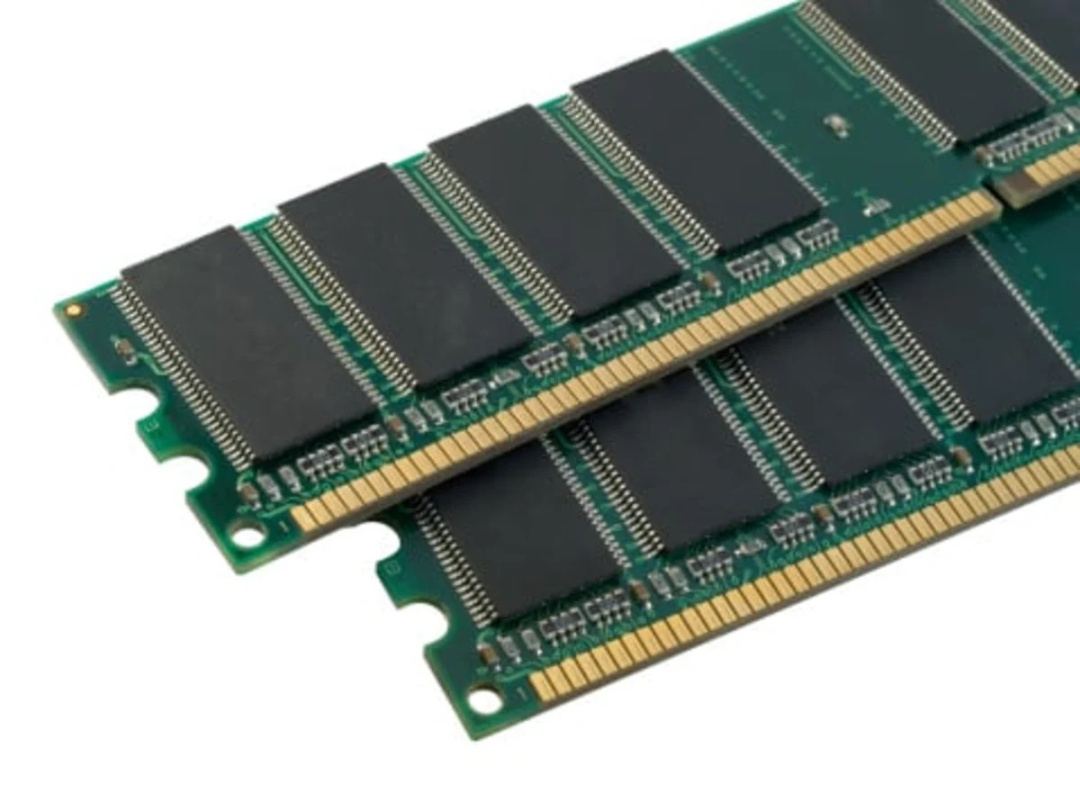
The semiconductor sector emerged as the primary beneficiary of the market's rebound, with the Philadelphia Semiconductor Index gaining 4.2%. This followed its largest single-day decline since April 2025. Nvidia shares climbed nearly 3%, recovering from a previous session where the stock faced its worst performance since January 2025. Concerns about competition from the Chinese AI model DeepSeek, which offers a low-cost alternative, had previously triggered a market reaction.
Other major chipmakers also saw significant gains, with AMD, Intel, and Micron Technology's shares rising between 5% and 11%. Additionally, Tesla and SpaceX, led by Elon Musk, experienced rebounds of 4% and nearly 9%, respectively, after earlier declines.
Investor Sentiment Shaken by Political Changes and Regulatory Uncertainty
Despite the gains on Friday, uncertainty regarding the future regulatory environment continued to affect investor sentiment. Gerry Sparrow, president and portfolio manager at Sparrow Capital Management, noted that the shift in government from Republican to Democratic leadership at various levels is causing disruptions in investor expectations. He emphasized that volatility surrounding elections and political events tends to impact market stability.
Concerns about tighter oversight of the AI industry are also emerging at the state level. Texas Democratic Governor-elect Gina Hinojosa announced plans to introduce new laws aimed at protecting local communities from large-scale data center developments. Given Texas's significant share of data centers in the US, these proposed measures add to investor concerns regarding the expansion of AI infrastructure.
Global Markets Face Pressure as AI Investment Concerns Mount
The uncertainty surrounding AI investments is compounded by the high costs associated with building data centers and other necessary infrastructure. Investors are wary that these substantial investments could limit future returns, contributing to market volatility and unsettling both retail investors and hedge funds.
In contrast to Wall Street's recovery, other major global markets continued to experience losses. European equities weakened, with the STOXX 600 index declining by 1%. In Asia, Japan's Nikkei and South Korea's KOSPI both fell by approximately 6%, marking significant declines reminiscent of previous market turmoil. The broader global market indicators also remained under pressure, with the MSCI All-World index falling by 0.68% and MSCI's index of Asia-Pacific shares outside Japan dropping nearly 3%.