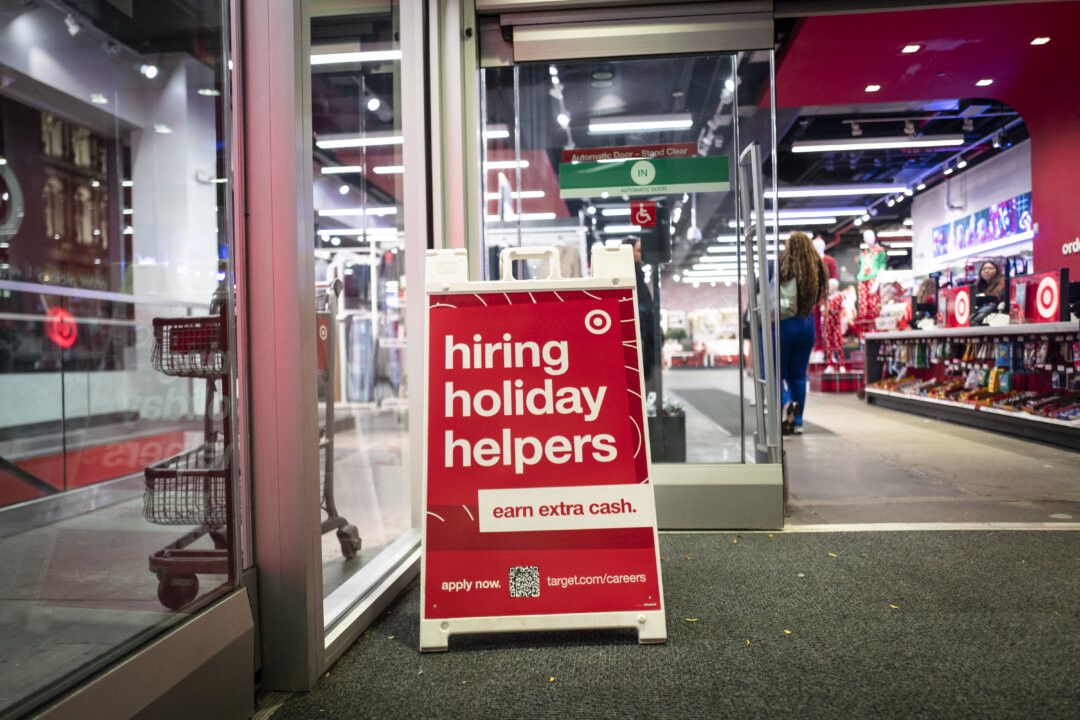
U.S. Job Market Surprises with 165,000 New Jobs in October
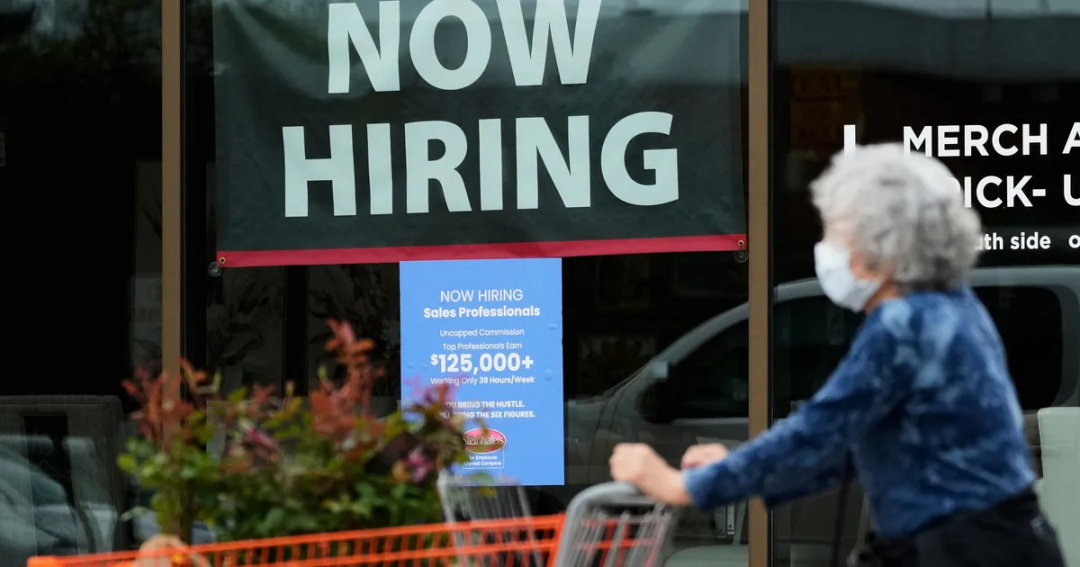
In October 2026, U.S. employers created 165,000 new jobs, a figure that exceeded economists' expectations of 65,000. The unemployment rate decreased to 4.1%, indicating a resilient job market despite economic pressures. This jobs report comes shortly after the midterm elections, where voters expressed dissatisfaction with the economy, leading to a shift in congressional control to the Democrats.
Revisions from the Labor Department added 84,000 jobs to the previous months of August and September. Notably, the unemployment rate fell even as 421,000 individuals entered the labor force, suggesting a dynamic employment landscape. However, hourly wages saw only a modest increase of 3.1% compared to October 2025, leaving many families struggling with inflationary pressures.
Market Reading & Resources
Sponsor funding complete. Trade on.
The professional and business services sector contributed significantly, adding 70,000 jobs, while healthcare companies hired nearly 42,000. Conversely, the hospitality sector, including hotels and restaurants, saw a reduction of 10,600 jobs. Despite these fluctuations, the overall job market has shown resilience amid various economic shocks, including high gasoline prices driven by geopolitical tensions and trade policies.
Gross domestic product growth was reported at a robust 3.4% annual rate from July to September, bolstered by strong consumer spending and investments in technology. However, the job market remains solid yet unspectacular, with an average addition of 68,000 jobs per month this year, a figure that is modest compared to historical standards.
Current Employment Trends Highlight Caution Among Employers
Economists describe the current employment environment as a "low-fire, low-hire" scenario, where employers are hesitant to let go of existing staff but are also cautious about hiring new workers. This situation poses challenges for young individuals entering the workforce and those who have lost jobs.
Labor Market Dynamics Reflect Changing Economic Conditions
The dynamics of the labor market have shifted, with fewer new jobs needed to maintain the unemployment rate due to demographic changes, such as retirements among baby boomers and reduced competition from immigration policies. Estimates suggest that the break-even point for job creation has significantly decreased, now hovering just above 5,000 new jobs per month.
As inflation continues to affect wages, average hourly earnings have declined by 0.7% when adjusted for inflation, marking the sixth consecutive year-over-year drop. This decline in real wages is likely a contributing factor to the recent electoral outcomes, reflecting voters' frustrations with economic conditions.