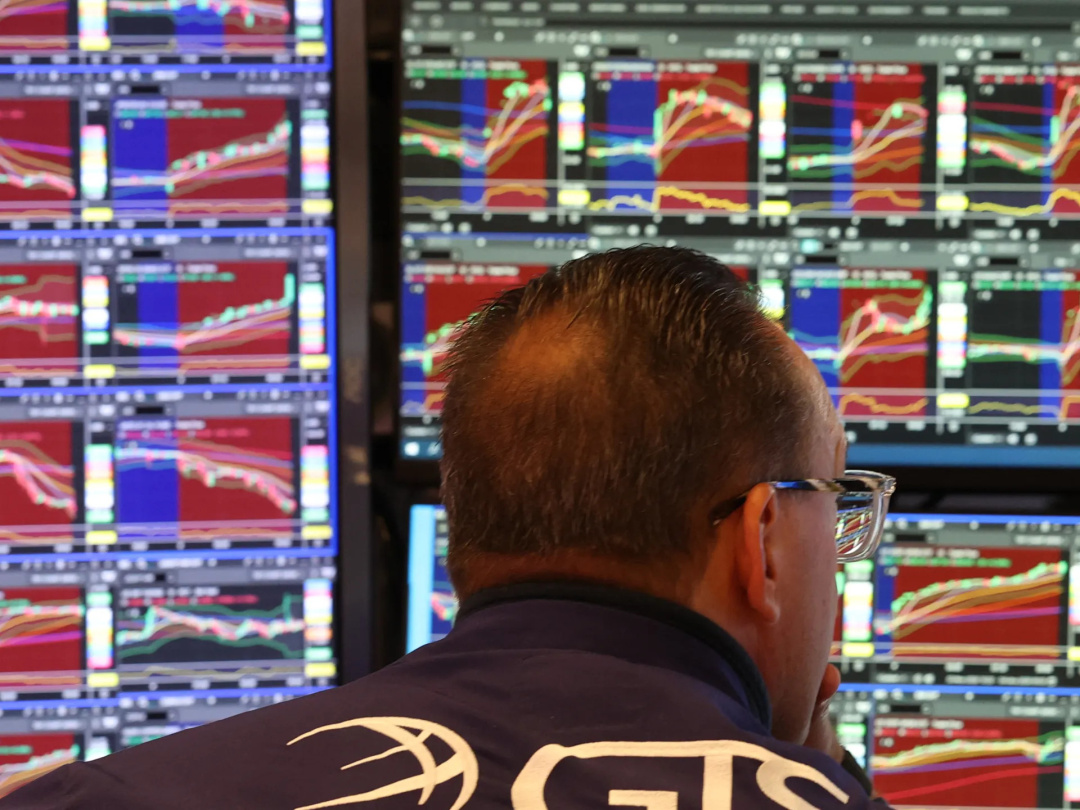
AI Stocks Experience Major Sell-Off Amid Data Center Political Backlash
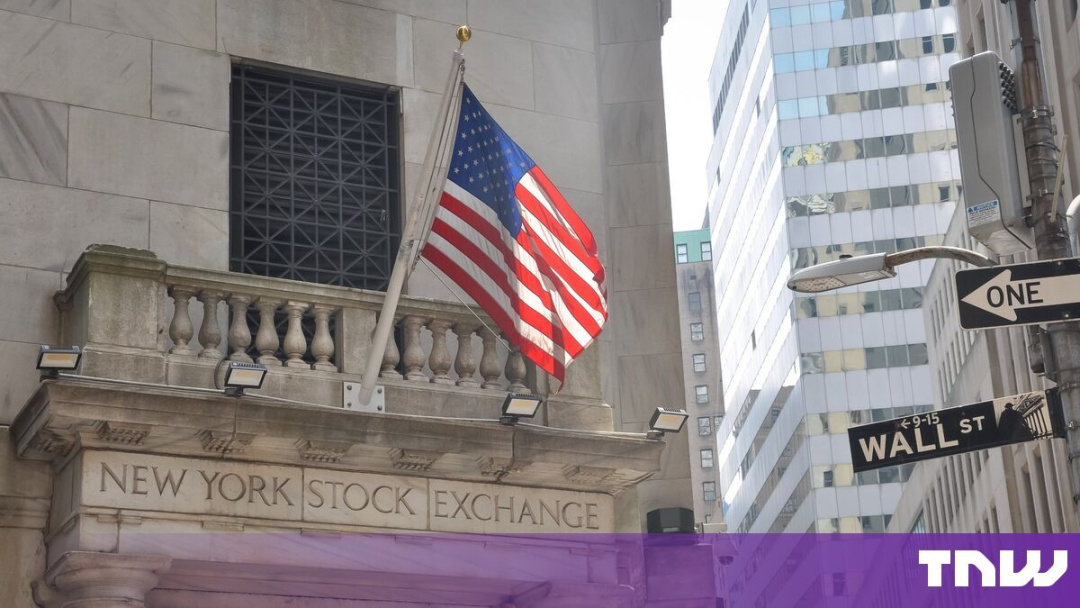
US stocks experienced their sharpest one-day decline in months on November 5, as investors retreated from chipmakers, cloud providers, and power companies that have significantly contributed to market gains this year. The S&P 500 fell 4.4% to close at 7,353.73, marking its largest single-day drop since the April 2025 tariff announcement. This decline erased the index's gains since the midterm elections.
In contrast, just a day prior, the Dow Jones Industrial Average had seen its best performance after a midterm election since 1982, rising by 3%. However, on Thursday, the Dow lost 1,833 points, or 3.4%, while the Nasdaq Composite dropped 5.5% to 24,315, now 11.9% below its October record, indicating a correction of over 10% from its peak. The Nasdaq-100, which includes many leading technology firms, fell 6.4%, erasing approximately $2.3 trillion from its market value.
Market Reading & Resources
Sponsor funding complete. Trade on.
The most significant losses were observed in companies closely associated with the AI infrastructure boom. Nvidia saw a 9.3% drop, becoming the largest drag on the S&P 500, leaving its shares down 2.6% for the year, just weeks after reaching a record valuation of about $5.7 trillion. Advanced Micro Devices fell 17.3%, while CoreWeave, which provides computing capacity for AI workloads, lost 9.8%. Other major players like Microsoft, Meta, Amazon, and Alphabet also experienced losses ranging from 2% to 4%.
The volatility was underscored by the Cboe Volatility Index, or VIX, which measures expected volatility in the S&P 500. It surged over 65% during the session, reaching 27.45, its largest one-day increase in more than two years. Despite the overall market downturn, AppLovin, an advertising technology company, gained 31% after exceeding revenue and profit expectations.
Economic data released on the same day was somewhat positive, with fewer Americans filing for unemployment benefits and stronger-than-expected productivity growth over the summer. The yield on the 10-year US Treasury fell from 4.90% to 4.84%, indicating some investors were shifting funds into government bonds.
However, the market's focus shifted to the political landscape surrounding the data center industry. The midterm election results introduced uncertainty for an industry reliant on building more data centers and securing permits from local and state governments. With Democrats gaining control of both chambers of Congress and several governorships in states with significant data center presence, opposition to new facilities has become a prominent local issue.
Concerns regarding data centers stem from their substantial requirements for electricity, land, and water, as well as the pressure they place on local power grids. Politicians have increasingly incorporated restrictions on data center development into their campaigns, reflecting voter sentiment. An NBC exit poll indicated that nearly 60% of voters considered data centers a crucial factor in their voting decisions, with almost 80% opposing the construction of such facilities in their neighborhoods.
Political Actions Shape Data Center Expansion Landscape
Local votes have translated into political action, with restrictions approved in 44 of the 45 completed data center referendums across 12 states. The results of the governors' races also indicated a trend, with 32 out of 34 races won by candidates advocating for tighter regulations on data centers. This political climate poses a potential challenge for companies seeking to expand their AI infrastructure, as they may face increased costs and difficulties in building necessary facilities.
Texas, which accounts for 27% of planned US data center capacity, is particularly significant in this context. The election of Democrat Gina Hinojosa, who campaigned against data center projects, has been highlighted by Morgan Stanley analysts as a critical outcome for the industry's future. Similarly, in Ohio, voters approved a ban on large data centers in a county where Meta planned a facility, further complicating expansion plans.
At the federal level, lawmakers have proposed restrictions on new data center development, with Senator Bernie Sanders and Representative Alexandria Ocasio-Cortez introducing legislation for a nationwide moratorium until rules regarding electricity costs and environmental impacts are established. While this proposal faced bipartisan opposition, it underscores the growing scrutiny of the data center industry.
The sell-off in AI stocks also followed disappointing earnings reports from major technology companies, raising questions about their future infrastructure investments. Microsoft and Alphabet reported capital expenditures below analysts' expectations, prompting concerns about the sustainability of the AI infrastructure boom, which relies on significant spending from a limited number of companies.
Investors are now reevaluating their positions, with hedge funds locking in profits from some of the year's best-performing stocks ahead of year-end. Individual investors also contributed to the selling, becoming net sellers of approximately $358 million in US stocks, marking their largest net selling since March 2020.
Navigating Regulatory Challenges in the AI Infrastructure Market
As the market reacts to these developments, Nasdaq-100 futures were up around 0.7% early on Friday, while Dow futures were down approximately 1%, indicating a mixed opening as traders awaited the September jobs report. The upcoming year will be crucial for the AI industry, as newly elected officials begin to implement their campaign promises regarding data center policies.
The future of AI infrastructure is now intertwined with regulatory considerations, raising questions about where companies can build and who will bear the costs associated with these developments. While the AI boom is not over, investor concerns about the risks associated with infrastructure development are becoming more pronounced as they shift their focus from growth potential to regulatory challenges.