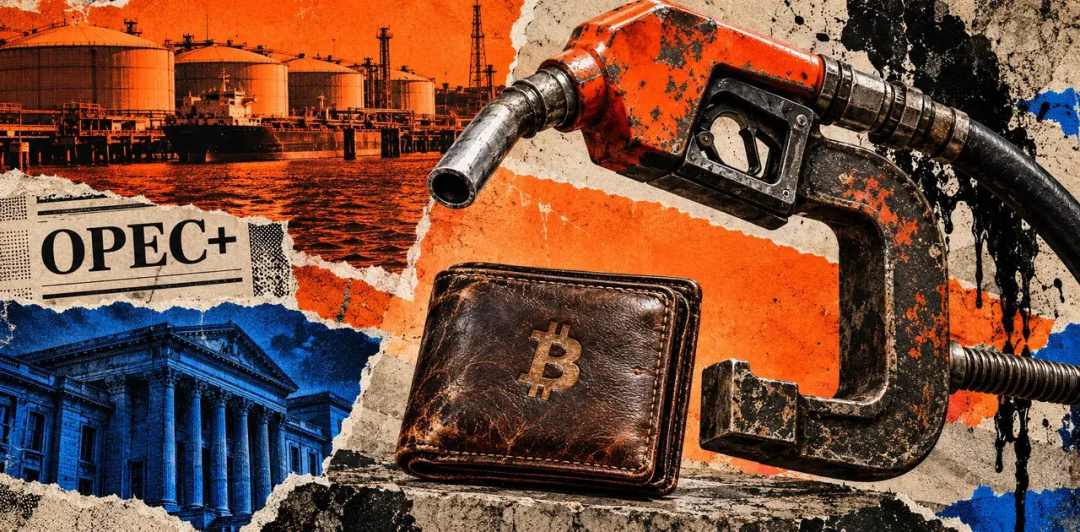
US-Iran Tensions Lead to Oil Price Surge and Market Impact
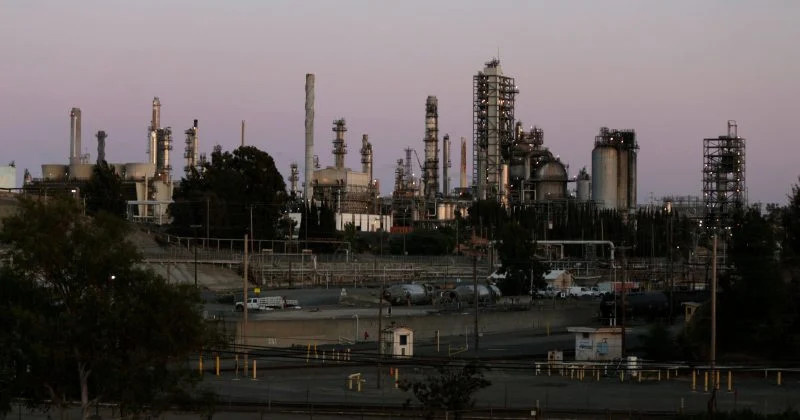
Tensions between the United States and Iran have escalated significantly, marked by missile strikes and growing fears of disruptions to shipping routes through the Strait of Hormuz. This geopolitical conflict has led to a notable surge in oil prices, with Brent crude surpassing $83 per barrel and West Texas Intermediate (WTI) experiencing an increase of nearly 9%. The rise in oil prices has raised inflation concerns, which in turn has negatively impacted U.S. stocks and bonds. As a result, the Federal Reserve's policy outlook is being reassessed, with money markets now indicating about a 50% likelihood of a rate hike in July.
Key developments to watch include any further military actions from either the U.S. or Iran that could worsen the situation and disrupt oil supply routes. Additionally, statements from the Federal Reserve in response to these geopolitical tensions could provide valuable insights into potential future policy adjustments. The reactions of OPEC+ and other major oil-producing nations regarding their production levels will also be crucial in shaping the long-term trajectory of oil prices. Market participants will be closely monitoring any diplomatic efforts aimed at easing tensions, as these could significantly influence current market dynamics.
Market Reading & Resources
Sponsor funding complete. Trade on.