Voter Sentiment Reflects Economic Frustration Beyond Gas Prices

Recent polling data reveals that a substantial portion of voters perceive the economy as struggling, with three-quarters describing it as not good or poor. This sentiment has been exacerbated by a prolonged surge in inflation, with national gas prices averaging over $4 per gallon and mortgage rates exceeding 7%. These economic challenges have played a pivotal role in shaping voter behavior during the recent midterm elections, contributing to a Democratic surge in both the House and Senate.
The ABC News Voter Polls, conducted around Election Day, highlight that economic frustrations are widespread, affecting various aspects of daily life, from gas and grocery prices to healthcare and utility bills. Approximately 79% of House voters reported that inflation has caused them significant hardship over the past year, while only 21% felt no impact at all. This widespread concern about inflation has been a critical factor in the electoral landscape, influencing voter preferences and party trust.
Market Reading & Resources
Sponsor funding complete. Trade on.
In the wake of these economic pressures, Democratic candidates have seen unexpected victories in Republican strongholds, with projections indicating they will secure 54 Senate seats. The rising costs associated with inflation, particularly in energy and food, have resonated deeply with voters, with 59% expressing serious concerns about grocery prices and utility bills.
Geopolitical Events Contribute to Rising Gas Prices
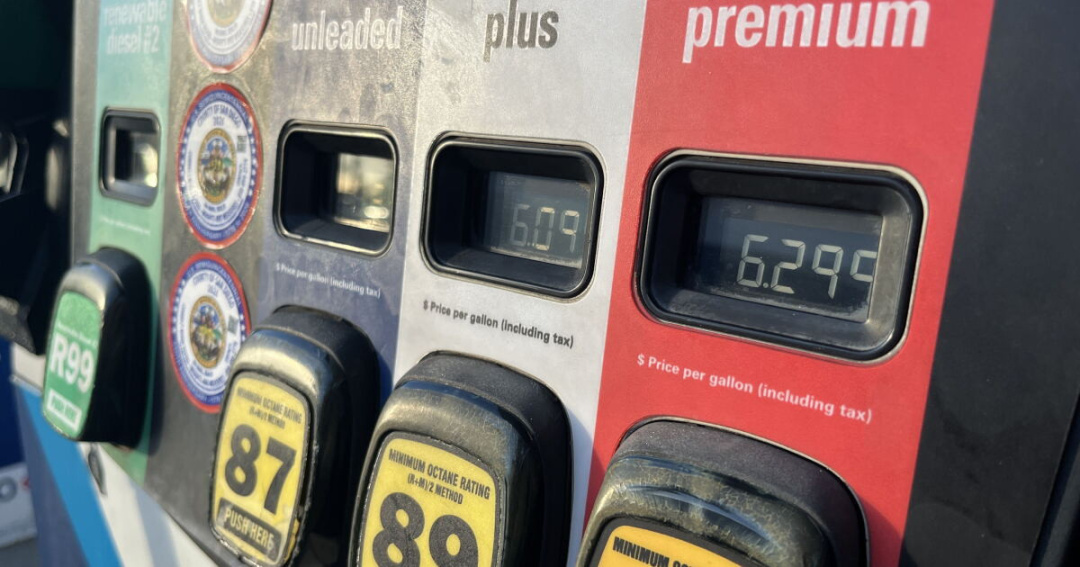
The inflationary pressures have roots in various factors, including geopolitical events such as the Iran war, which has contributed to rising prices. On Election Day, the national average price for a gallon of gas was reported at $4.14, reflecting a significant increase since the onset of the conflict. Additionally, the average price of diesel has surged to $6.28, marking a notable rise from the previous year.
Voter Sentiment Calls for Stronger Healthcare Policies
Voter concerns extend beyond immediate economic factors, as many express dissatisfaction with healthcare costs. The expiration of enhanced premium tax credits has led to increased monthly premiums for those insured through the Affordable Care Act, further straining household budgets. Over half of House voters believe that the previous administration's policies have worsened their healthcare costs, and a majority trust the Democratic Party more to address these issues.
As the political landscape shifts in response to these economic realities, the implications for future policy and governance remain significant. Voter sentiment indicates a desire for more robust government intervention in healthcare and economic support, reflecting a broader call for change in how economic challenges are addressed at the federal level.