Democratic Control May Limit Trump's Influence Over Federal Reserve
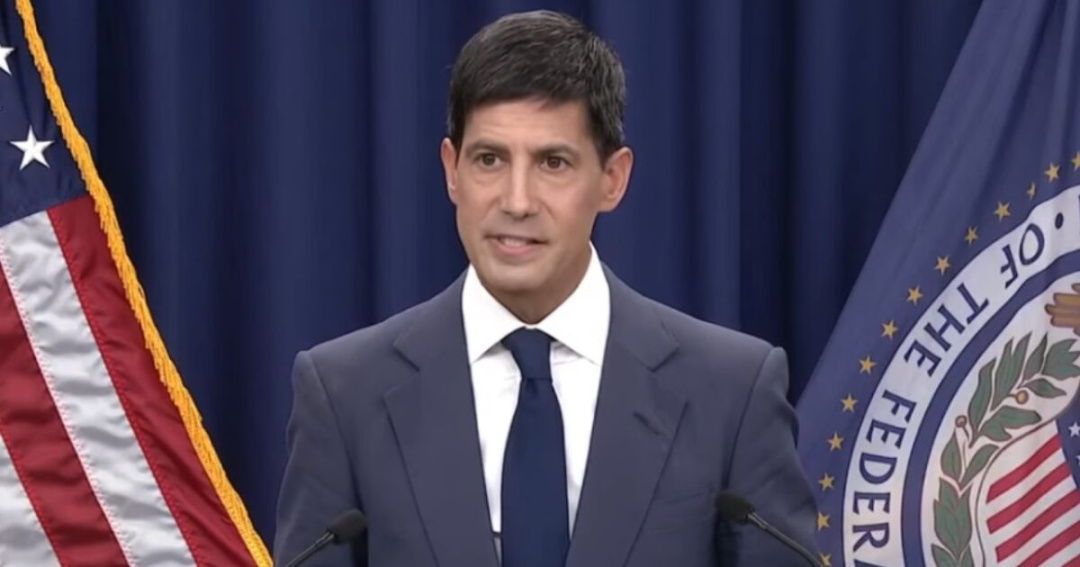
The recent Democratic takeover of Congress is poised to limit President Donald Trump's influence over appointments to the Federal Reserve. Analysts from Bitunix have indicated that resilient labor data may also reduce the likelihood of interest rate cuts, complicating monetary policy decisions. With the Senate now under Democratic control, lawmakers are expected to have greater authority to challenge Trump's nominees to the Fed's Board of Governors, which could hinder his efforts to reshape the central bank's leadership.
In a market update released on Thursday, Bitunix analysts noted that the Senate Banking Committee, likely to be led by Senator Elizabeth Warren, may increase scrutiny of Fed Chair Kevin Warsh and the transparency of monetary policy decisions. Following the election results, markets initially reacted positively, with the S&P 500 gaining 1.6% and the Dow Jones Industrial Average rising by 3%. However, by Thursday morning, risk assets began to decline, with significant drops in the S&P 500 and Nasdaq, alongside Bitcoin, as selling pressure intensified across technology stocks and cryptocurrency markets.
Market Reading & Resources
Sponsor funding complete. Trade on.
Despite the political shift, Bitunix analysts caution that this does not necessarily lead to easier monetary policy. Recent employment figures indicate that the labor market remains robust, which may not justify aggressive monetary easing. According to the ADP's October employment report, private employers added 86,000 jobs, surpassing economists' expectations of 69,000. Additionally, median base pay growth held steady at 3.2%, while pay increases for workers changing jobs reached 4.8%.
Labor Market Data Indicates Resilience Amid Sector Variability
Further data from the Bureau of Labor Statistics revealed that job openings rose by 333,000 to 7.523 million in September, while layoffs decreased to 1.641 million. These figures suggest that the labor market has not weakened sufficiently to warrant significant monetary easing, although ongoing job losses in certain sectors indicate uneven conditions across industries.
Economic Indicators Shape Federal Reserve's Future Decisions
Attention is now focused on the upcoming nonfarm payrolls report, with economists predicting an addition of 65,000 new jobs and an unemployment rate of 4.2%. Bitunix analysts believe that if employment remains near expectations, the Federal Reserve will have more leeway to evaluate inflation before making any adjustments to interest rates. Conversely, a sharp decline in employment could heighten expectations for monetary easing.
The analysts also highlighted the recent decision by the Reserve Bank of Australia to raise its benchmark interest rate to 4.85%, underscoring that inflation concerns persist across major economies. For Bitcoin and other risk assets, the outlook on interest rates will continue to hinge on employment and inflation data, even as congressional oversight of the Federal Reserve increases.