AI Stocks Plummet as Wall Street Reacts to Midterm Election Results
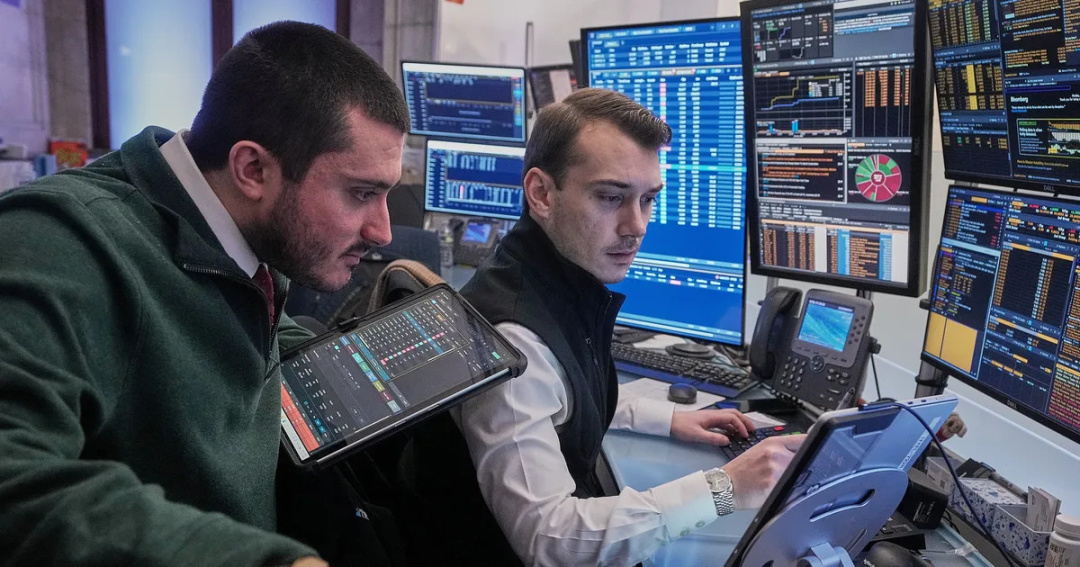
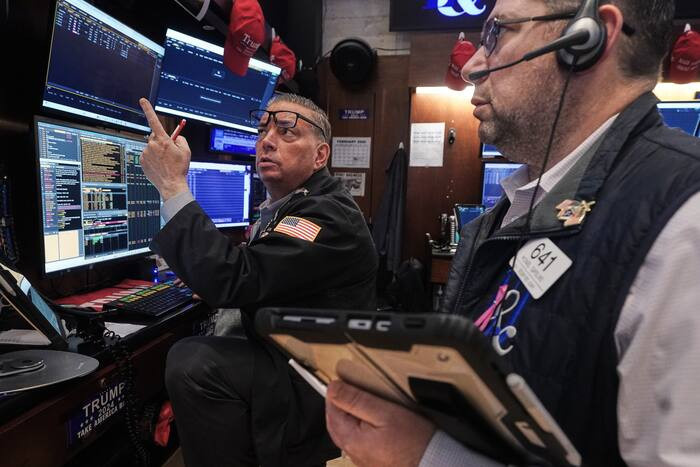
Wall Street experienced a significant downturn on Thursday, primarily driven by a sharp decline in stocks associated with the construction of AI data centers. This drop erased gains made the previous day, which had marked the best performance in three months. The S&P 500 index fell by 3.2%, indicating a troubling trend for investors. The Dow Jones Industrial Average saw a decrease of 1,146 points, or 2.1%, while the Nasdaq composite dropped by 5%.
The global stock markets also felt the impact, with South Korea's Kospi index plummeting by 5.3%. The volatility in AI-related stocks has been a concern for months, particularly as rising borrowing costs threaten to slow down the construction of new data centers. The results of Tuesday's U.S. midterm elections added to this uncertainty, as Democratic victories raised fears of potential regulatory pauses in data center construction. Such pauses could lead to reduced demand for AI chips and other resources critical to the industry.
Market Reading & Resources
Sponsor funding complete. Trade on.
Nvidia, a key player in the AI chip market, saw its stock drop by 8.3%, contributing significantly to the S&P 500's decline. Advanced Micro Devices experienced a more drastic fall of 15.9%, while CoreWeave, a cloud-based AI chip rental service, saw a 14.9% decrease. GE Vernova, which supports data center operations, also fell by 9.1%.
Despite the downturn in AI stocks, some companies within the S&P 500 managed to post gains. AppLovin surged by 30.2% after reporting better-than-expected revenue and profit, alongside a stock buyback program worth up to $3.6 billion. Tapestry, the parent company of Coach and Kate Spade, rallied by 6.7% after exceeding profit expectations and raising its revenue forecasts for the fiscal year.
Where Market Meets Sentiment
The overall market sentiment reflects a complex interplay between corporate profits and interest rates, which are more influential on stock prices than political outcomes. In other financial markets, the initial reaction to the midterm election results began to stabilize. Brent crude oil prices rose by 2.2% to $96.70, recovering from a significant drop the previous day. Meanwhile, Treasury yields continued to decline, with the yield on the 10-year Treasury falling to 4.84%. This decline suggests that investors are seeking safer assets amid market volatility.
Global Market Reactions Reflect Cautious Investor Sentiment
In international markets, stock indexes showed mixed results. Japan's Nikkei 225 fell by 1.8%, reflecting the broader trend of declining tech and AI stocks. In Europe, London's FTSE 100 dipped slightly by 0.1% following the Bank of England's decision to raise interest rates for the first time in three years, a move aimed at curbing inflation.
The Bank of England's Governor, Andrew Bailey, emphasized the importance of resolving geopolitical tensions, particularly in the Middle East, to stabilize the global economy. As the situation evolves, investors remain cautious, weighing the implications of political shifts on market dynamics.