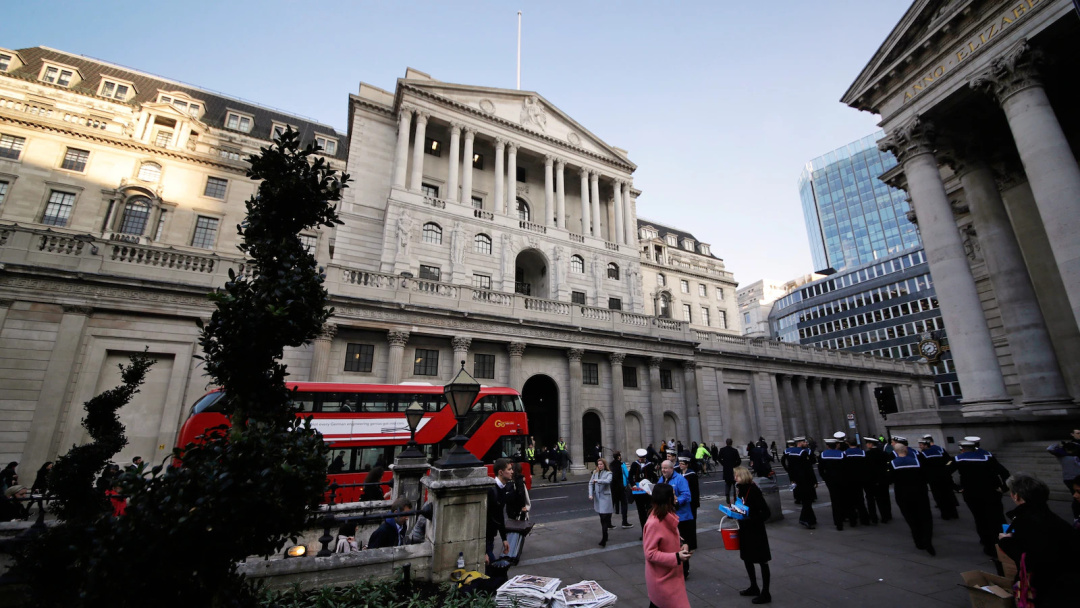
Bank of England Raises Interest Rates to Combat Inflation Spike
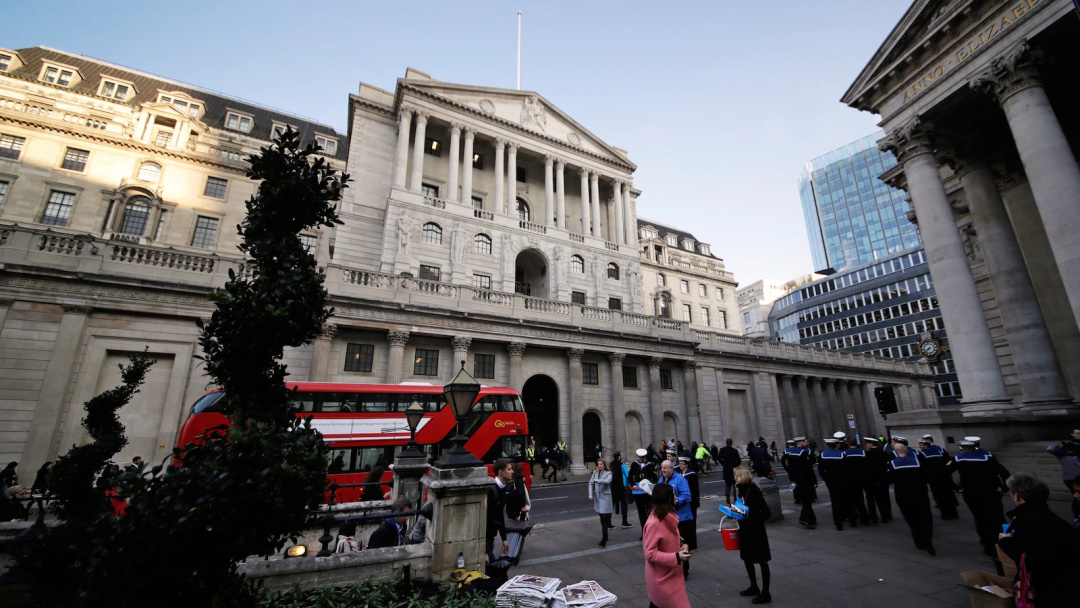
The Bank of England has raised interest rates for the first time in more than three years, increasing the main rate from 3.75% to 4%. This decision comes as a response to an inflation shock driven by the ongoing Iran war, which has significantly impacted fuel prices. All nine members of the Monetary Policy Committee supported the hike, with one member advocating for a larger increase to 4.25%.
The inflation rate reached an 11-month high of 3.5% in September, well above the Bank's target of 2%. This surge in inflation has intensified market expectations for a rate hike, with further increases anticipated in the coming years. The rise in fuel costs, primarily due to disruptions in the Strait of Hormuz caused by the Iran conflict, has been identified as the main factor behind the inflation spike.
Market Reading & Resources
Sponsor funding complete. Trade on.
The Bank of England's quarterly economic projections, which are expected to be released soon, will provide further insights into inflation and growth forecasts. Higher interest rates typically aim to cool the economy by making borrowing more expensive, which can reduce spending and inflation, but may also slow economic growth.
Economic Uncertainty and Rate Hike Implications
The uncertainty surrounding the economic outlook is heightened by the ongoing situation in Iran. Recent political developments, including significant losses for the Republican Party in the U.S. midterm elections, have led to a decrease in energy prices. If these lower prices persist, the peak in inflation may be less severe, potentially influencing future rate hike expectations not only for the Bank of England but also for the U.S. Federal Reserve and the European Central Bank, both of which have also raised rates in response to inflationary pressures.
Interest rates in the U.K. had been on a downward trend from a 15-year high of 5.25% until the escalation of conflict in Iran on February 28. The Bank's decision to raise rates marks a significant shift in monetary policy as it seeks to address the challenges posed by rising inflation.