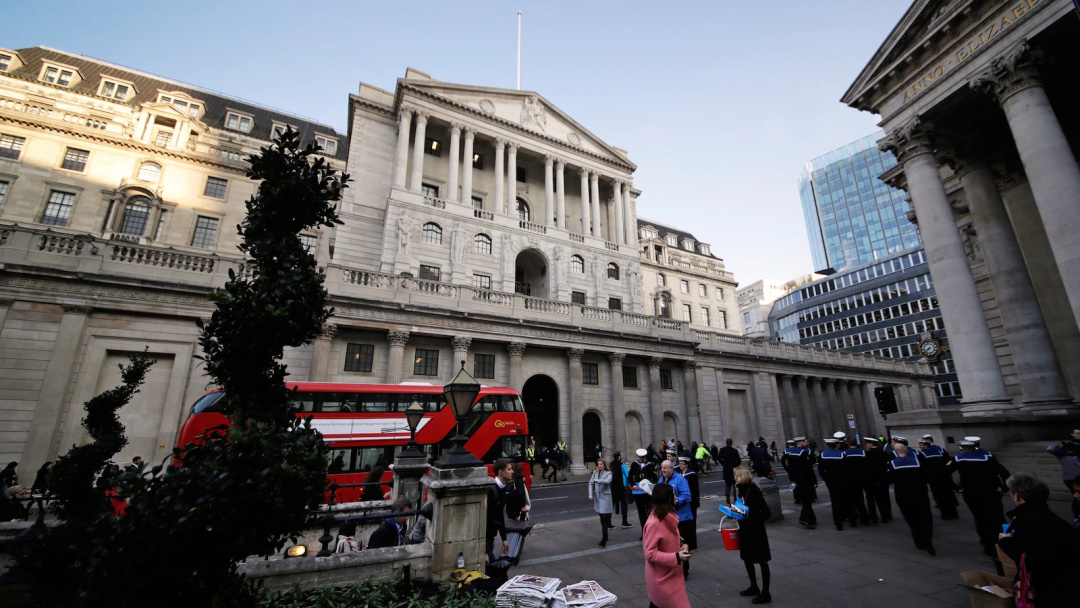
Bank of England Expected to Raise Interest Rates Amid Inflation Concerns
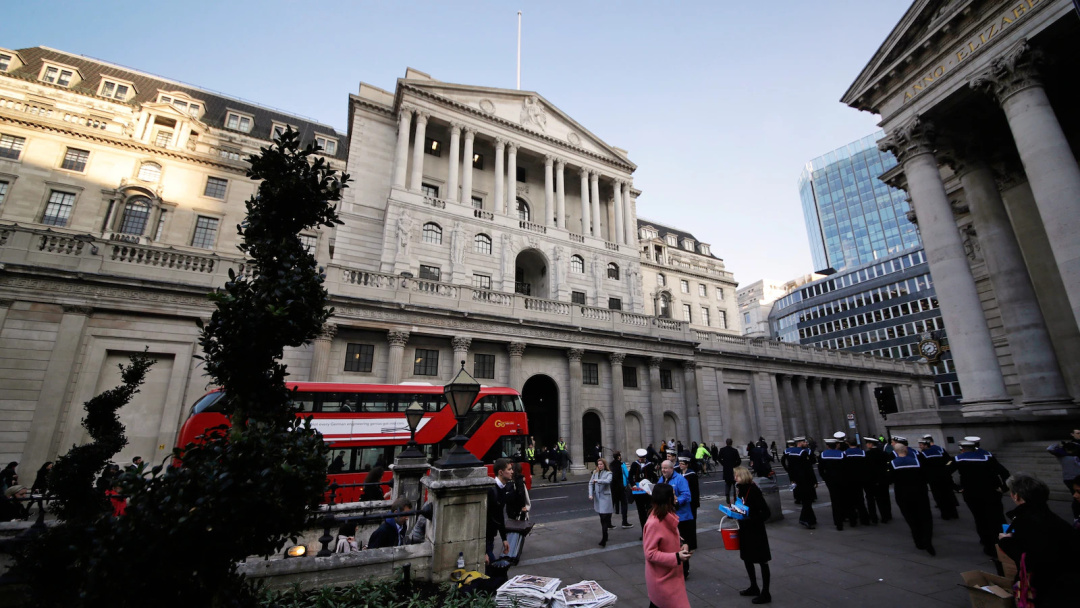
The Bank of England is expected to raise interest rates on Thursday for the first time in over three years, a move aimed at addressing the inflation shock attributed to the Iran war. With inflation anticipated to climb further in the coming months, economists believe the nine members of the Monetary Policy Committee have little choice but to increase the bank's key rate from 3.75% to 4%. This would mark the first rate hike since August 2023.
The pressure on policymakers has intensified in recent months, particularly as inflation surged to an 11-month high of 3.5% in September, exceeding the bank's target of 2%. The primary driver of this inflation spike has been the significant rise in fuel costs due to the conflict in Iran, which has disrupted oil and gas supplies through the Strait of Hormuz.
Market Reading & Resources
Sponsor funding complete. Trade on.
Economist Ellie Henderson from Investec noted that the patience of many committee members regarding the recent inflation rise is likely wearing thin. She emphasized that prolonged high energy prices could transform a temporary price shock into a more permanent issue.
Bank of England's Rate Hike and Economic Projections Ahead
In addition to the expected rate hike, the Bank of England will release its quarterly economic projections, which will include forecasts for inflation and growth. Raising interest rates typically cools the economy by making borrowing more expensive, which can reduce spending and inflation, but it may also slow economic growth.
Other central banks, including the U.S. Federal Reserve and the European Central Bank, have recently raised rates in response to similar inflationary pressures. Prior to the conflict in Iran, interest rates in the U.K. had been on a downward trend from a peak of 5.25% over the past 15 years.