Fed May Raise Rates Soon if Core Inflation Remains High
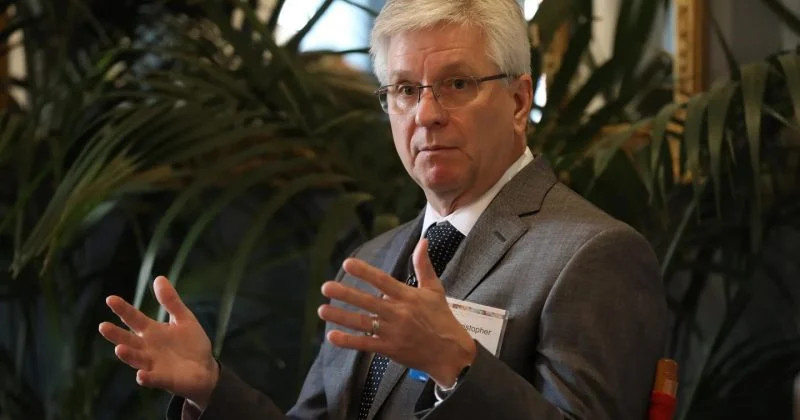
Federal Reserve Governor Christopher Waller has signaled that the Federal Reserve might consider raising interest rates soon if core inflation data remains high. This warning comes as the U.S. economy continues to demonstrate resilience in the face of persistent inflation pressures, which are attributed to factors such as tariffs, rising energy costs, and increasing demand for AI infrastructure. The Federal Open Market Committee (FOMC) is scheduled to meet on July 29, 2026, to review monetary policy, with Tuesday’s inflation data expected to play a pivotal role in their decision-making process.
Currently, markets are pricing in a 38.6% probability of a rate hike at the July meeting, a notable increase from 20% just a day prior. For the September meeting, the likelihood of a rate increase has risen to 56%, reflecting heightened concerns over inflation that has consistently exceeded the Fed’s target. By October, the probability stands at 68%, indicating that markets are bracing for potential monetary tightening this year.
Market Reading & Resources
Sponsor funding complete. Trade on.
Waller’s remarks have shifted market sentiment, prompting a reassessment of the likelihood of rate hikes in 2026. The probability of a rate hike within the year has surged to 77.5%, suggesting that market behavior is aligning with expectations of ongoing inflationary pressures influencing Fed policy.
Market participants are closely watching Tuesday’s core inflation data, as it could significantly impact the Fed’s decision at the July FOMC meeting. Any signs of persistent inflation above the Fed’s target may lead to a reevaluation of rate hike probabilities. Additionally, statements from Fed officials, including Chair Jerome Powell, will be crucial in shaping market expectations for future policy moves. Observers will be attentive to any changes in the Fed’s language regarding inflation and rate hikes in upcoming communications.