Oil Prices Surge Amid Middle East Tensions as AI Stocks Decline
Oil prices saw a notable increase on Monday, climbing 3.9% to $78.95 per barrel, following a weekend marked by escalating tensions in the Middle East. The situation has raised concerns about the security of oil transport through the Strait of Hormuz, a critical route for global oil shipments. Both the United States and Iran have asserted control over the strait, which has led to fears of disruptions in crude oil deliveries from the Persian Gulf, consequently driving up fuel prices worldwide. President Donald Trump’s suggestion of a 20% toll on cargo passing through the strait to fund U.S. military protection briefly pushed Brent's price close to $80, although it later stabilized below its wartime peak of nearly $120 per barrel.
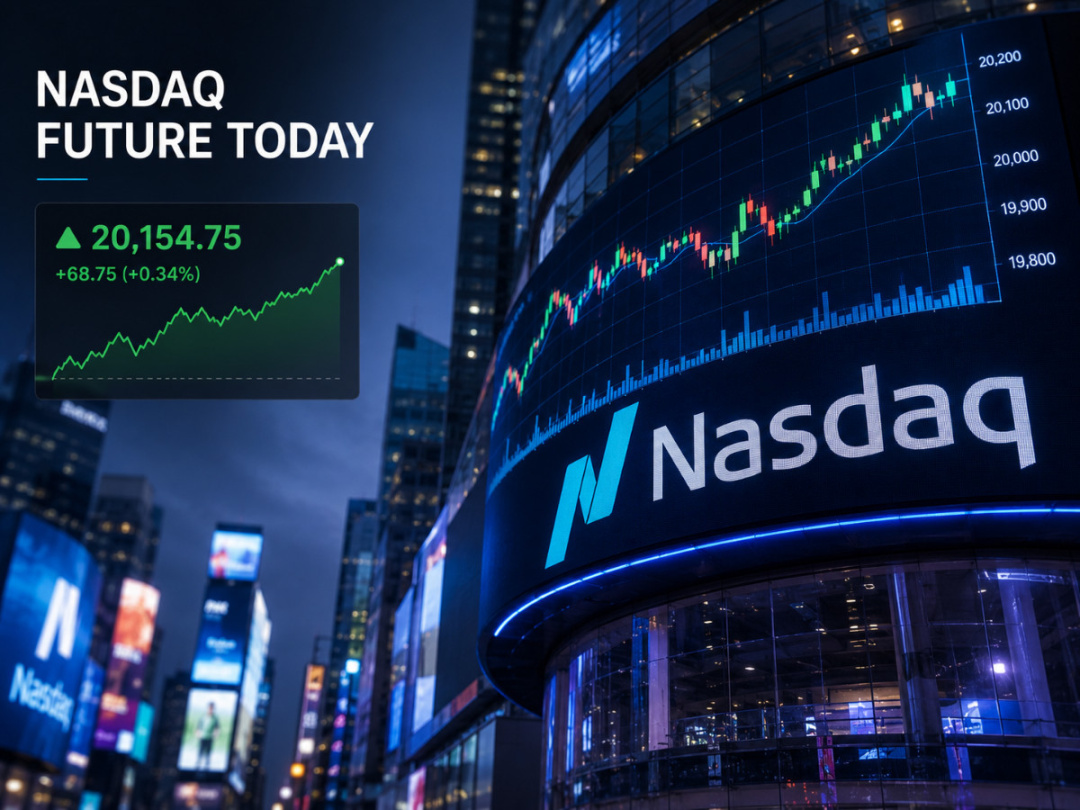
On Wall Street, the S&P 500 index fell 0.3%, marking a pause after four weeks of gains. The Dow Jones Industrial Average experienced a slight decline of 65 points, or 0.1%, while the Nasdaq composite dropped 0.7%. The downturn was largely influenced by losses in the technology sector, particularly among chipmakers. Micron Technology, which had seen a remarkable 243.1% increase in its stock price this year, fell 3.8%. This decline raised concerns about the sustainability of demand for computer memory and other components that have surged due to the AI boom.
Market Reading & Resources
Sponsor funding complete. Trade on.
Nvidia, the largest stock on Wall Street by market value, also contributed to the S&P 500's decline with a 1.7% drop. The overall sentiment in the market reflects growing apprehension that stock prices may have risen too quickly, particularly if the anticipated profits from AI do not materialize as expected.
The day’s losses were initiated in Asia, where South Korea’s Kospi index plummeted by 8.9%, with SK Hynix’s stock suffering a staggering 15.4% drop, the worst since its trading debut in 1997. This decline followed the company’s recent launch of shares in the U.S., which had initially surged by 13.1% on their first trading day but fell 6.4% on Monday.
Despite the overall downturn, some segments of the AI industry showed resilience. Taiwan Semiconductor Manufacturing Co. reported a 68% revenue increase in June compared to the previous year, contributing to a 35.6% growth in total revenue for the first half of the year. However, its U.S.-traded shares fell by 0.4%.
Looking ahead, Wall Street is poised for a busy week with profit reports from major financial institutions, including Bank of America, Citigroup, JPMorgan Chase, Goldman Sachs, and Wells Fargo, all set to release their quarterly results on Tuesday. Analysts predict that companies in the S&P 500 will report an overall growth of 23.6% compared to the previous year, which would mark the second consecutive quarter of growth exceeding 20%.
To justify the significant increases in stock prices, companies across various sectors will need to deliver strong earnings. Historically, S&P 500 companies have exceeded analysts’ expectations in 37 of the last 40 quarters, suggesting that if this trend continues, the earnings growth for the latest quarter could be the best since 2021.
In the bond market, Treasury yields rose alongside oil prices, with the yield on the 10-year Treasury climbing to 4.59% from 4.56% late Friday, up from 3.97% before the recent conflict with Iran. Rising yields globally are raising concerns about high inflation and expensive oil, which could prompt the Federal Reserve and other central banks to increase interest rates. While higher rates can help control inflation, they may also slow economic growth and negatively impact investment prices.
Internationally, stock markets exhibited mixed reactions, with European indexes showing modest movements and sharper declines in Asia, including a 2.1% drop in Shanghai and a 1.9% decrease in Japan’s Nikkei 225. The market remains vigilant as geopolitical tensions and economic indicators continue to shape investor sentiment.