Federal Reserve Rate Decisions: Economic Benefits and Public Discontent

The Federal Reserve's recent interest rate decisions have drawn attention to the Cantillon Effect, a concept that explains how money and pricing decisions circulate through the economy. Many consumers have noticed significant increases in everyday expenses, particularly in grocery prices, which have risen approximately twelve percent since 2022. Despite claims of progress in controlling inflation, families continue to face higher costs than they did four years ago when the Fed began raising rates to combat inflation.
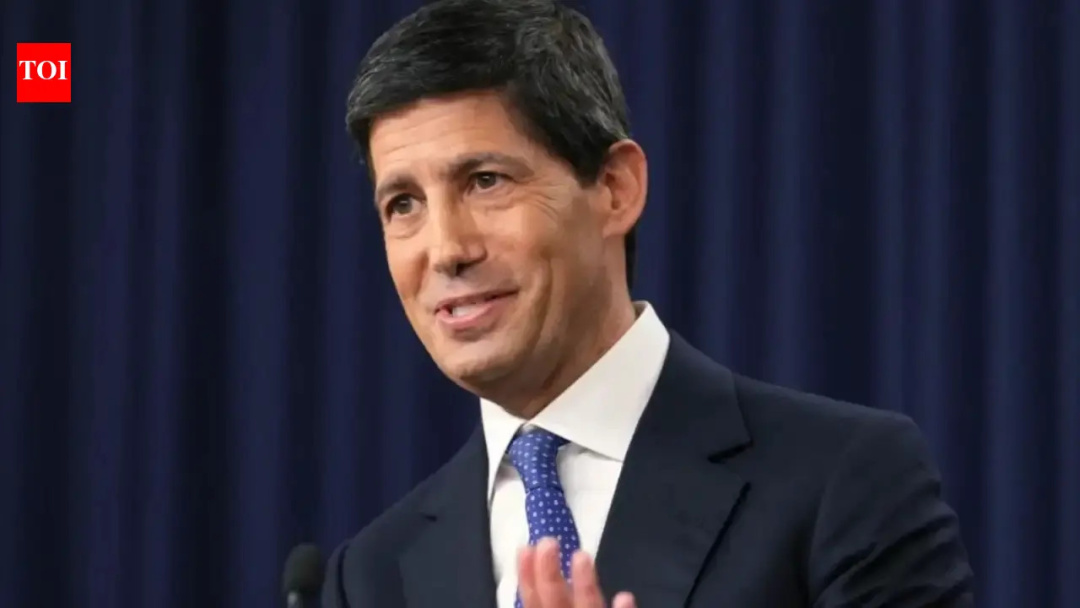
Federal Reserve Chairman Kevin Warsh recently highlighted improving inflation expectations, but this perspective does not reflect the reality faced by many households. The Personal Consumption Expenditures index indicates that while inflation may be slowing, prices are still on the rise, leaving families struggling to cope with the financial burden. The disconnect between official data and the lived experiences of families illustrates a long-standing economic pattern documented by Richard Cantillon in the 18th century.
Market Reading & Resources
Sponsor funding complete. Trade on.
Cantillon's observation reveals that new money does not circulate evenly; those who receive it first can spend it before prices adjust, while those at the end of the line bear the brunt of rising costs. This principle is evident in the current economic landscape, where the effects of the Federal Reserve's policies disproportionately impact low- and moderate-income households. Research indicates that a one-percentage-point increase in mortgage rates can reduce the share of these buyers in the housing market, highlighting the challenges faced by first-time homebuyers.
Examining the Uneven Impact of Federal Reserve Rate Decisions
As the Federal Reserve maintains its benchmark rate at 3.75 to 4 percent, the implications of this decision are not felt uniformly across the population. Different financial institutions experience varying impacts based on their portfolios, and the distribution of advantages and burdens from monetary policy is not evenly shared. The structure of the financial system means that access to credit and financial assets influences how quickly and painfully the effects of rate changes are felt.
Calls for Transparency in Federal Reserve Rate Policies
Critics argue that interest rates should emerge from market conditions rather than be dictated by a committee. This perspective suggests that the current approach distorts investment decisions and leads to inefficiencies in the economy. A practical reform proposal is to require the Federal Reserve to publish the distributional consequences of its rate decisions, providing transparency about who benefits and who suffers from these policies.
Such reporting would enhance public understanding of the Fed's influence on the economy and ensure accountability for its decisions. As families continue to grapple with rising costs, the need for clear communication about the effects of monetary policy becomes increasingly important. The disconnect between the Fed's assessments and the realities faced by everyday Americans raises critical questions about the effectiveness and fairness of current economic strategies.