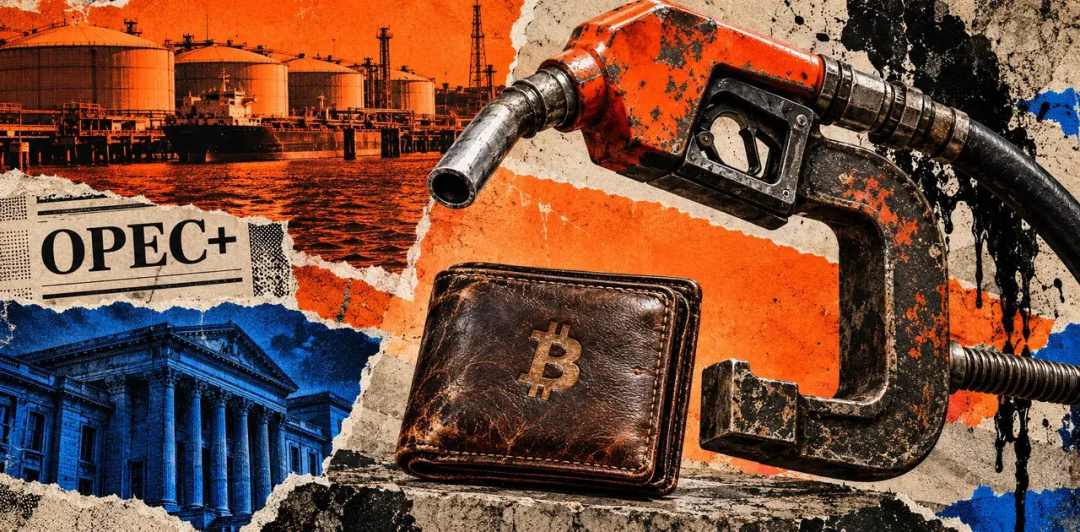
Iran Intensifies Attacks on US Bases, Disrupting Oil Flow in Strait of Hormuz
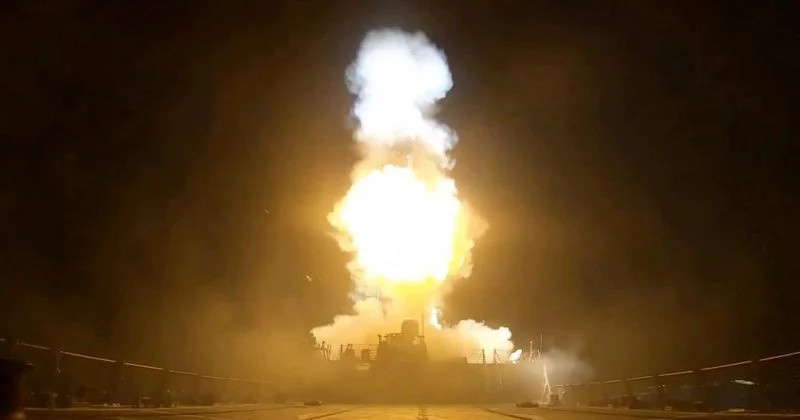
Recent tensions in the Gulf region have escalated, significantly disrupting the Strait of Hormuz, a critical chokepoint for global oil supply. Iran has intensified its attacks on U.S. military bases in the area, prompting retaliatory strikes from the United States. Consequently, commercial shipping traffic through the Strait has plummeted, with only 14 vessels recorded on a recent Sunday, marking the lowest levels in weeks. This disruption has led to a surge in oil prices, which have risen over 3% to around $116 per barrel due to a perceived war premium.
The Strait of Hormuz is essential for global oil transport, handling approximately 20% of the world's oil supply. The current reduction in shipping traffic has resulted in a decrease of about 11 million barrels per day in global oil flow. This situation has also contributed to a rise in headline Personal Consumption Expenditures (PCE) inflation, which reached 4.1% in May 2026, the highest level since April 2023. As a result, market participants are recalibrating their expectations regarding the Federal Reserve's interest rate policies, with a 50% probability of a rate hike by September now being factored into market forecasts.
Market Reading & Resources
Sponsor funding complete. Trade on.
Analysts are closely monitoring further military developments between the U.S. and Iran, as these could significantly impact the stability of oil supply routes. Additionally, any announcements from OPEC+ regarding production adjustments could have profound implications for oil prices. The Federal Reserve's forthcoming decisions in response to rising inflation will be critical, with market observers keenly awaiting signals that could influence expectations of a potential rate hike.