Central Banks Increase Gold Reserves Significantly Amid Economic Uncertainty
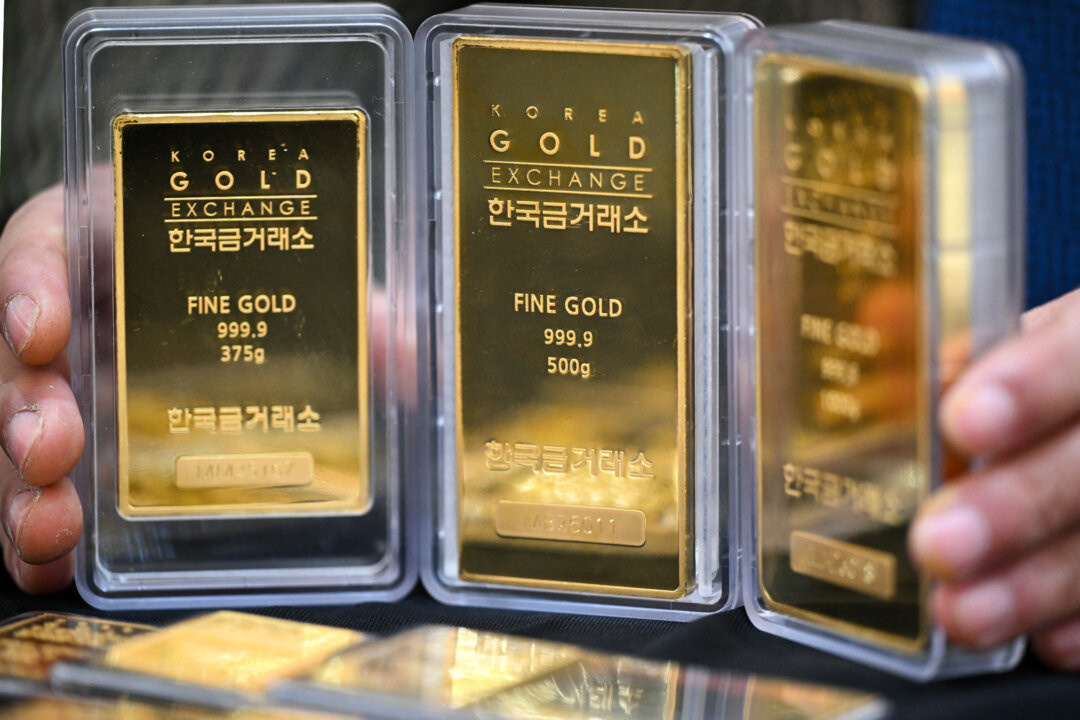
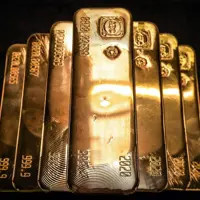
Central banks are significantly increasing their gold reserves in response to ongoing global inflation and geopolitical uncertainties. According to the World Gold Council, total demand from central banks in the third quarter of 2026 rose by 42 percent year-over-year, reaching 321 tons. This marks the highest quarterly total since the end of 2024 and surpasses the five-year average of 227 tons.
The People's Bank of China has been the largest buyer, followed closely by the National Bank of Poland. Year-to-date, global central banks and other official institutions have acquired 675 tons of gold, reflecting a 6 percent increase compared to the same period last year. In light of this trend, the World Gold Council has adjusted its forecast for central bank demand in 2026, now predicting that purchases will at least match the 848 tons acquired in the previous year.
Market Reading & Resources
Sponsor funding complete. Trade on.
The strong demand in the third quarter is attributed to strategies focused on portfolio diversification and risk management. Louise Street, a senior markets analyst at the World Gold Council, emphasized the importance of central banks in driving demand, noting that their purchases have remained robust despite fluctuations in overall gold demand.
In the broader market context, total gold demand fell by 1 percent in the last quarter, totaling 1,369 tons. Demand for bars and coins decreased by 19 percent to 268 tons, while jewelry demand also saw a decline of 17 percent. The World Gold Council noted that retail investors are currently hesitant, waiting for a clearer price trend to emerge, with gold prices averaging $4,262 per ounce during this period.
Conversely, demand from the electronics and technology sectors increased by 5 percent and 3 percent, respectively. Additionally, physically backed gold exchange-traded funds (ETFs) saw a reversal from the previous quarter, attracting 211 tons of inflows, which brought total holdings to a record high of 4,256 tons and generated $31 billion in quarterly inflows.
Navigating Challenges and Opportunities in the Gold Market
Looking ahead, the gold market faces a balancing act. Rising interest rates and a mixed inflation outlook could pose challenges for gold prices, as higher rates increase the opportunity cost of holding non-yielding bullion. Despite gold's traditional role as an inflation hedge, surging consumer prices may compel the Federal Reserve to continue raising rates, which could strengthen the U.S. dollar and make gold more expensive for foreign investors.
However, geopolitical tensions in regions such as the Middle East and Eastern Europe, along with stress in global financial markets, could support demand for precious metals. After a strong start to 2026, gold prices have recently declined, trading below $4,000 on the COMEX division of the New York Mercantile Exchange, down from a record high of over $5,600 in January.
Implications of Political Dynamics on Gold Prices
The outcome of the U.S. midterm elections could also influence gold prices. According to Ross Maxwell, chief strategy officer at VT Markets, a divided Congress might create a more favorable environment for gold if it leads to reduced fiscal expansion expectations, potentially lowering yields and weakening the U.S. dollar. Conversely, persistent inflation and a hawkish Federal Reserve could keep real yields elevated, limiting gold's recovery potential. A more bullish outlook for gold could emerge if prices continue to rise while real Treasury yields and the U.S. dollar decline.
As of November 3, the benchmark 10-year Treasury yield was above 4.9 percent, while the U.S. dollar index remained stable below 102.00.