AI Investment Drives Inflation Concerns Amid Rising Consumer Costs

American consumers and the Federal Reserve are facing new inflationary pressures due to significant investments in artificial intelligence infrastructure. This year, spending on data centers is projected to exceed $700 billion, leading to increased costs for essential components such as memory chips and computer processors. Economists anticipate that these developments will contribute to inflationary trends at least through the end of the year, although the extent of the increase may not match the peak inflation rate of 9.1% observed in 2021-2023.
The Federal Reserve is particularly concerned about how this surge in AI-related spending will affect consumer prices. With major tech companies like Alphabet, Amazon, Meta Platforms, and Microsoft expected to invest heavily in data centers, the demand for semiconductors has intensified, resulting in supply shortages. Analysts at JPMorgan Chase estimate that the price of certain memory chips could rise by as much as 400% by the end of this year.
Market Reading & Resources
Sponsor funding complete. Trade on.
Consumers are already experiencing higher prices for various electronics, including laptops, smartphones, and gaming consoles. In a notable move, Apple announced price increases of 15% to 25% for its laptops and iPads, with the top MacBook now priced at $1,999. Microsoft also plans to raise the price of its Xbox console by $100, citing increased costs for memory chips. Other companies, such as Sony, Dell, and HP, have followed suit with similar price hikes.
Investment bank Evercore ISI has indicated that the inflationary impact from AI-related costs is still in its early stages. While the overall effect on inflation may be modest, with projections suggesting a half-percentage point increase in core consumer prices by year-end, this could counterbalance declines in other areas, such as rental costs and the fading impact of tariffs.
The Federal Reserve's preferred measure of core inflation was reported at 3.4% in May, and some economists predict only a slight decline by the end of the year, remaining above the Fed's target of 2%. The ongoing series of price shocks, including those from AI investments, could pose a challenge for the Fed, which typically overlooks temporary price increases. However, a sustained series of shocks could lead to more persistent inflation.
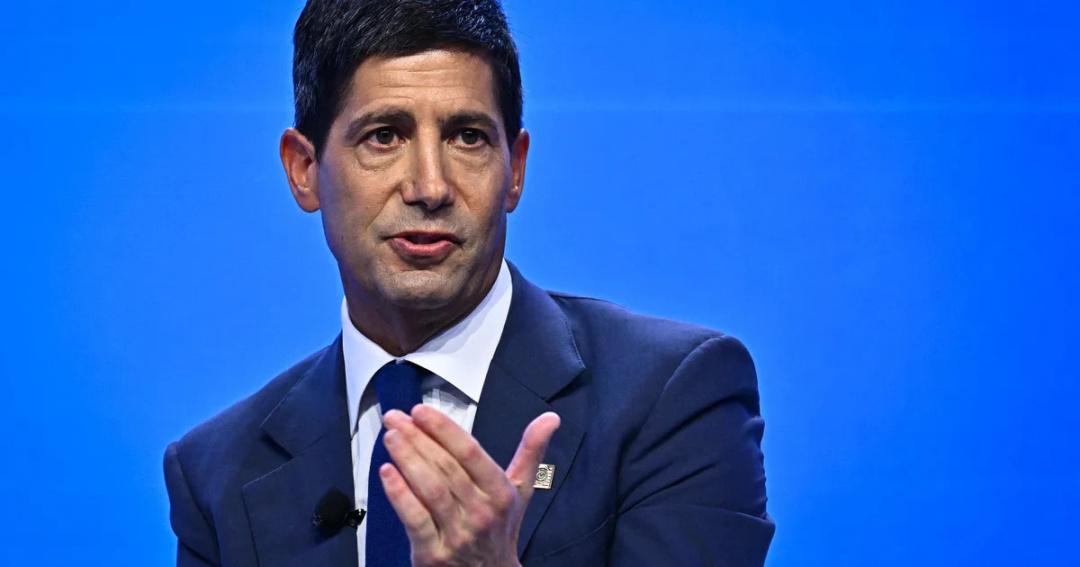
Fed officials are increasingly focused on the inflationary effects of AI. Kevin Warsh, who became chair on May 22, acknowledged the potential for AI to enhance economic efficiency over time, yet he also recognized the current demand pressures stemming from AI investments. John Williams, president of the Federal Reserve Bank of New York, expressed concerns that the demand for AI-related equipment might continue to exceed supply, leading to sustained price increases.
Additionally, the substantial electricity demand from AI data centers is causing utility companies to raise prices. Electricity costs rose by 5.9% in May compared to the previous year, surpassing the overall inflation rate of 4.2%. Experts predict that while prices for computer chips may peak this year, the demand for electricity from AI could keep utility costs elevated into 2028 and beyond. Goldman Sachs has forecasted a 6% rise in electricity prices this year and next, with an above-average increase of 3% expected in 2028. As Dario Perkins, an economist at TSLombard, noted, the current impact of AI on inflation is decidedly inflationary, not deflationary.