Political Responses to Inflation: A Challenge for Jim Chalmers
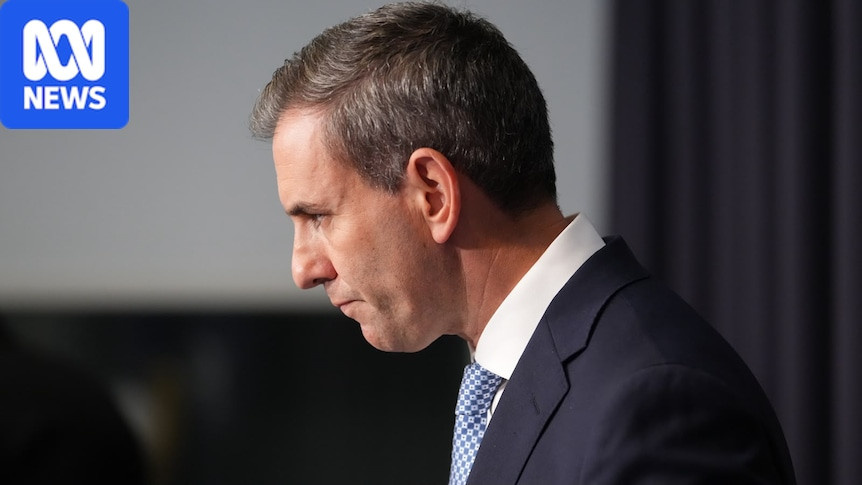
Jim Chalmers, the Australian Treasurer, has found himself in a repetitive cycle as he addresses the ongoing inflation crisis. Over the past four and a half years, he has conducted numerous press conferences, often delivering the same message in response to economic challenges. This pattern reflects a broader issue within the political landscape, where the narrative surrounding inflation has become stale and predictable.
As inflation continues to impact the economy, the question arises whether the current political script can be altered. Chalmers has faced scrutiny for his handling of economic policy, particularly in light of recent rate hikes. The pressure is mounting for both the Labor government and the opposition to find new approaches to engage with voters and address their concerns about rising costs.
Market Reading & Resources
Sponsor funding complete. Trade on.
The political discourse surrounding inflation is not just a matter of economic policy; it also has significant implications for public sentiment and electoral outcomes. With voters increasingly frustrated by the cost of living, there is a pressing need for politicians to break free from the repetitive messaging that has characterized recent discussions.
Shifting Strategies in Political Discourse
As the government navigates these challenges, the potential for a shift in strategy remains uncertain. Will Labor or the Coalition take the risk to change the narrative and offer fresh solutions to the inflation crisis? The outcome of this political dilemma could shape the future of economic policy in Australia.
The Need for a New Approach
In the face of persistent inflation, the political landscape is at a crossroads. Chalmers and his counterparts must consider innovative strategies to address the economic pressures facing Australians. The effectiveness of their responses will likely influence public perception and voter behavior in upcoming elections.
As the situation evolves, the focus will be on whether political leaders can adapt their messaging and policies to resonate with a populace that is increasingly concerned about financial stability. The stakes are high, and the need for a fresh approach has never been more critical.