Rising Gas and Grocery Prices Impact Voter Sentiment in Key Senate Races
As inflation persists, voters in key Senate race states are increasingly concerned about rising costs for gas and groceries, which they cite as their top issue this Election Day. President Donald Trump's earlier promises to lower prices and enhance affordability have not materialized as expected, leading to growing dissatisfaction among voters across the political spectrum. A recent NBC News poll indicates that over half of Republicans are also unhappy with the current economic situation, creating an opportunity for Democrats to gain ground in both the House and Senate.
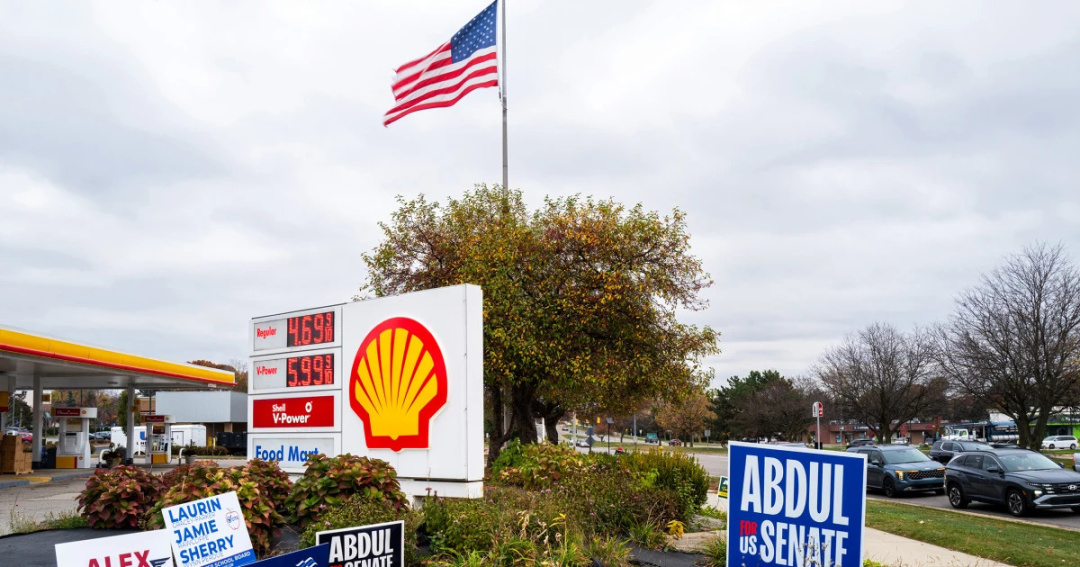
In states with competitive Senate races, gas prices have surged significantly, outpacing the national average. Since late February, the average cost of a gallon of gas has risen by 40%, driven by geopolitical tensions and Trump's tariffs. For instance, in Iowa and Nebraska, gas prices have skyrocketed by nearly 55%, while Michigan has seen a 51% increase. These rising costs are not only affecting daily commutes but also influencing voter sentiment as candidates prepare for Election Day.
Market Reading & Resources
Sponsor funding complete. Trade on.
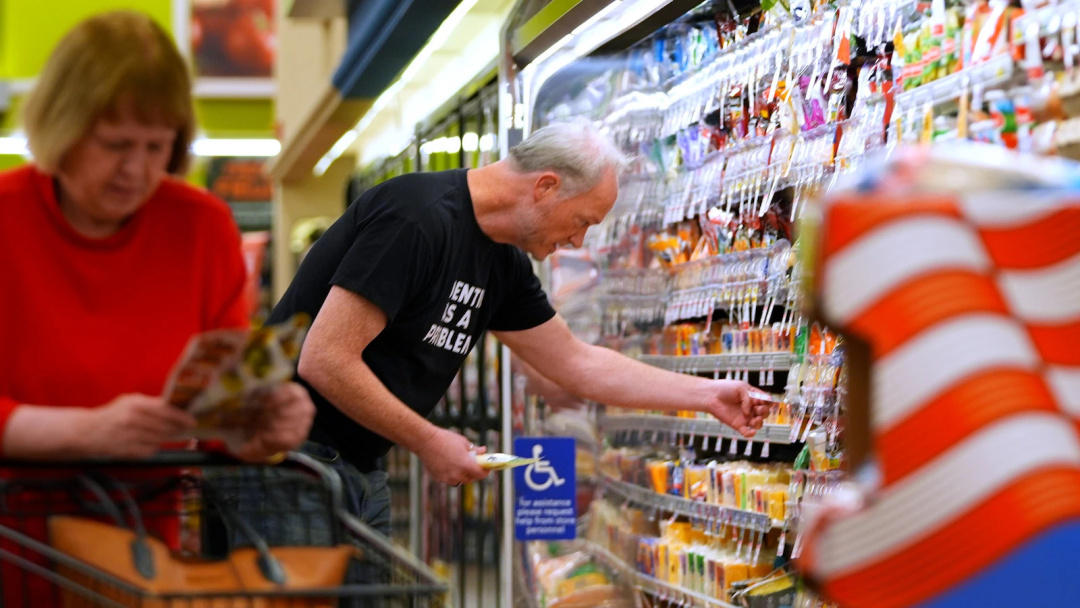
The economic strain extends beyond fuel prices. Voters are also grappling with increased grocery costs, particularly in states like Ohio, where cities such as Cleveland and Toledo rank among the most cost-burdened for food expenses. The WalletHub study highlights that households in these areas are spending a larger portion of their income on groceries compared to other regions, further exacerbating financial pressures.
Moreover, the impact of tariffs imposed by the Trump administration has disproportionately affected states with tight Senate races. The National Taxpayers Union Foundation reports that states like Texas, Michigan, and Georgia are among those facing the highest costs due to these tariffs, which have raised prices on imported goods, including vehicles. As a result, the average household is expected to incur an additional $1,100 in costs this year due to tariffs alone.
Rising Housing Costs Affect Voter Decisions
Housing costs are also a significant concern for voters. In states like Alaska and Ohio, median home prices have risen sharply, making homeownership increasingly unattainable for many, particularly younger voters. The average interest rate for a 30-year fixed mortgage has climbed to 7.27%, further complicating the housing market for prospective buyers.
Voter Discontent Highlights Economic Struggles in Elections
As voters head to the polls, the disparity between wage growth and inflation is another critical issue. While wages have increased by 3% year-over-year, inflation has outpaced this growth, leading to a decrease in purchasing power. In states like Nebraska and Iowa, real wages have fallen, intensifying the economic challenges faced by voters.
The cumulative effect of rising costs for gas, groceries, and housing is shaping the electoral landscape as voters express their frustrations. Many individuals, like single parents and retirees, are feeling the pinch and are concerned about their financial futures. As Election Day approaches, the economic climate remains a pivotal factor influencing voter decisions, with candidates closely monitoring these trends to adjust their strategies accordingly.