Indonesia's Rice Inflation Stabilizes Amid Government Interventions
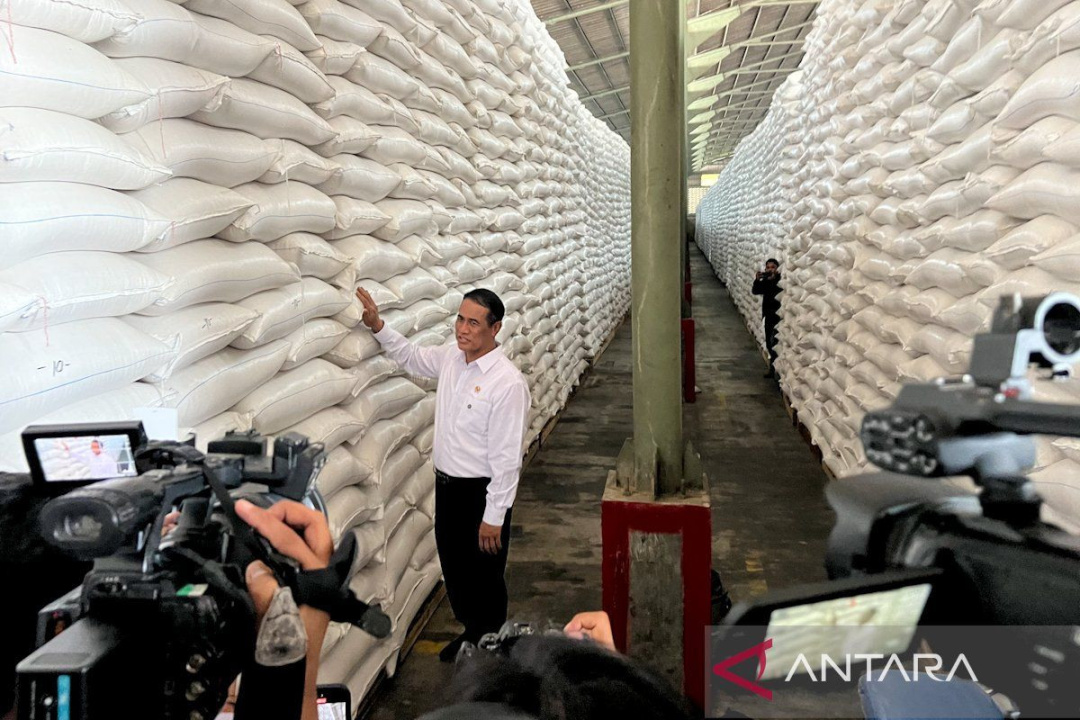
Indonesia's National Food Agency (Bapanas) announced that inflation eased in October, largely due to the government's intensified interventions through its Food Supply and Price Stabilization (SPHP) program and the Cheap Food Movement (GPM). Agriculture Minister Andi Amran Sulaiman stated that the country's food supply remains robust, with rice stocks reaching historical highs. He emphasized the importance of distributing these stocks for public benefit through various programs.
According to data from Statistics Indonesia (BPS), both annual and monthly headline inflation saw a decline. Monthly headline inflation for October was recorded at 0.22%, a decrease from 0.33% in September. Notably, BPS indicated that rice did not significantly impact inflation within the volatile food component, with monthly food inflation also dropping to 0.77% from 1.46% the previous month.
Market Reading & Resources
Sponsor funding complete. Trade on.
The report highlighted that monthly rice inflation was nearly zero at 0.08%, a significant reduction from the 0.80% recorded in September, which was the highest rate for the year. Prior to September, the peak monthly rice inflation was noted in March at 0.65%, coinciding with the Ramadan and Eid al-Fitr periods. To mitigate rice price fluctuations, Bapanas reinforced its SPHP rice program, with the first distribution assignment since March fully executed by the state logistics agency Bulog in late September.
Government Initiatives Ensure Rice Price Stability Amid Global Challenges
Minister Sulaiman assured that rice prices would remain stable despite global market uncertainties, expressing confidence in Indonesia's food security. In October, Bapanas reported that approximately 161,000 tons of government rice reserves were distributed to the public, primarily through Bulog's SPHP program, aimed at ensuring affordable rice access for low-income households. The agency also continued its efforts with the Cheap Food Movement, which was implemented 1,595 times across 38 provinces during the month. Additionally, Bapanas facilitated the movement of food stocks from surplus to deficit regions through its Food Distribution Facilitation (FDP) program, which covered over 22.2 tons of various commodities, including shipments of red cayenne pepper to areas facing price fluctuations.